Balkans
2026
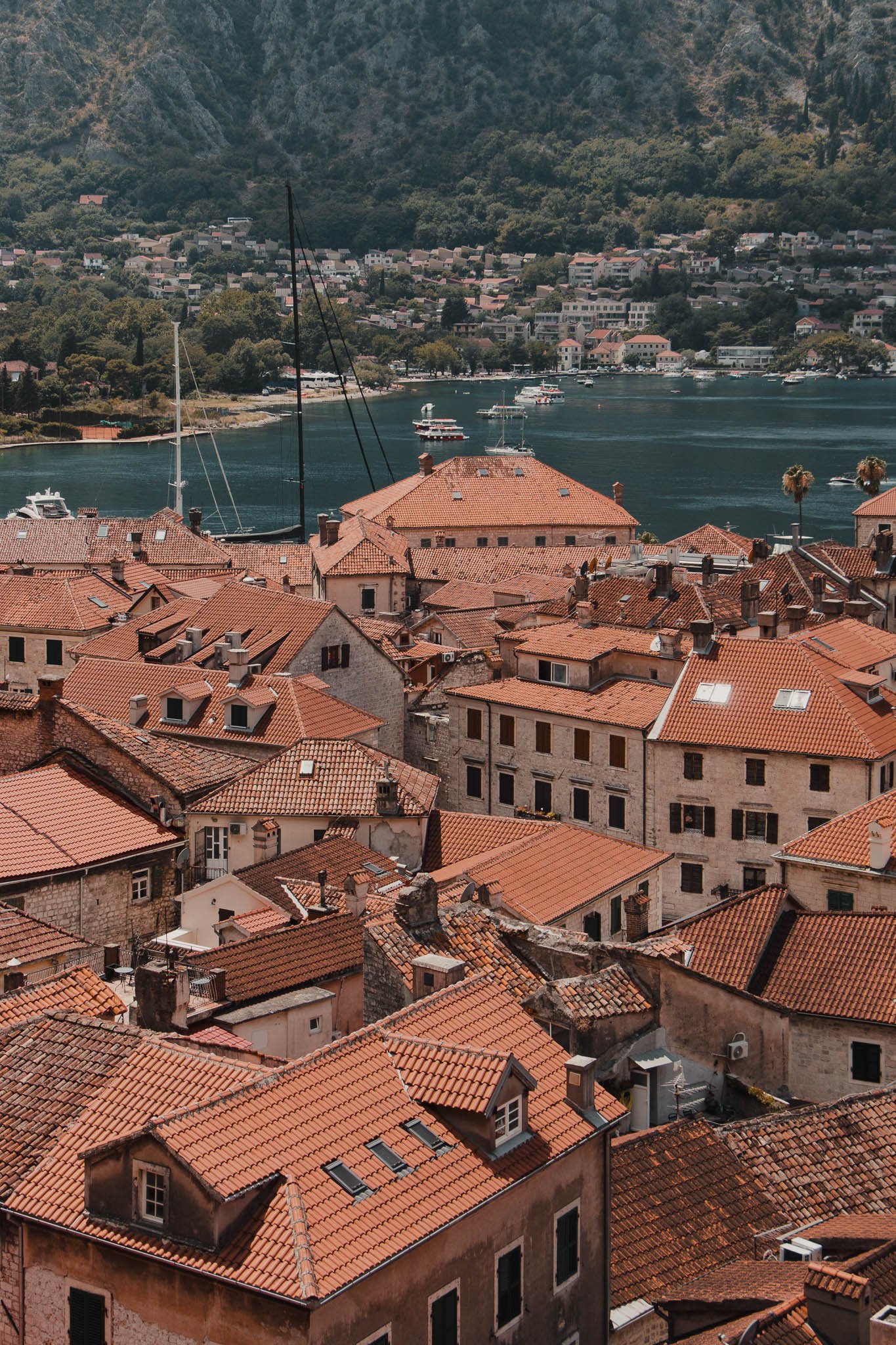
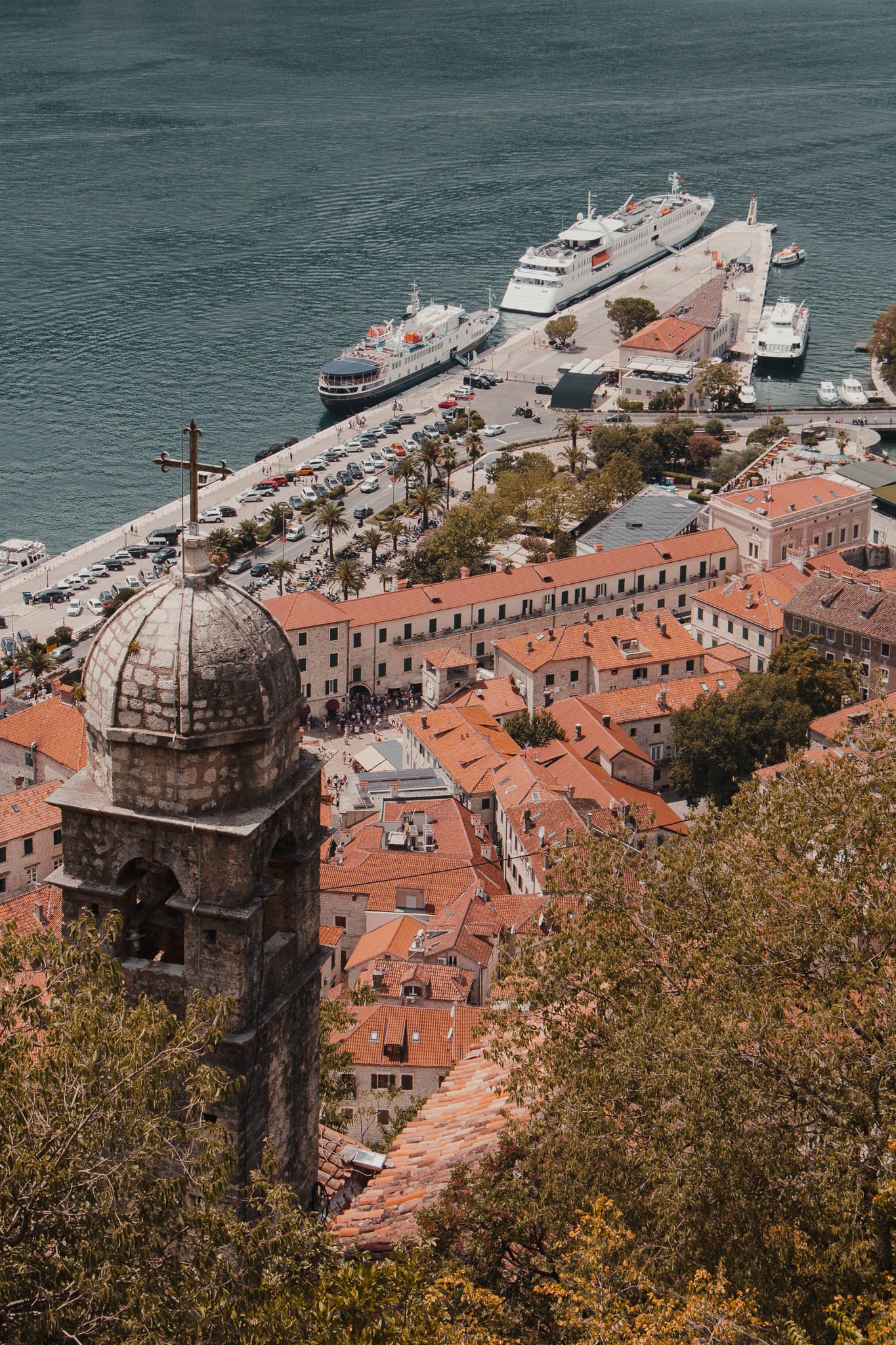
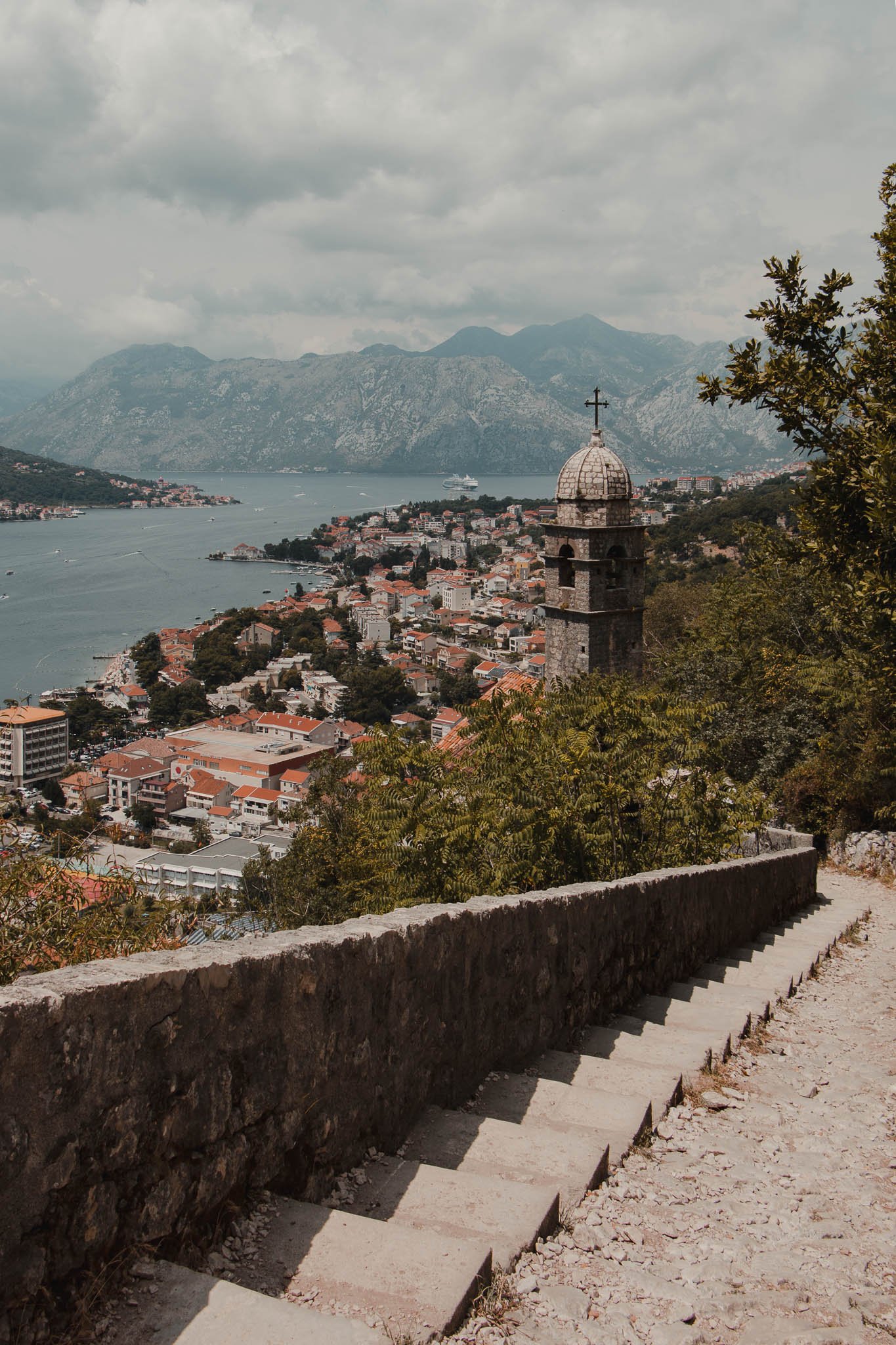
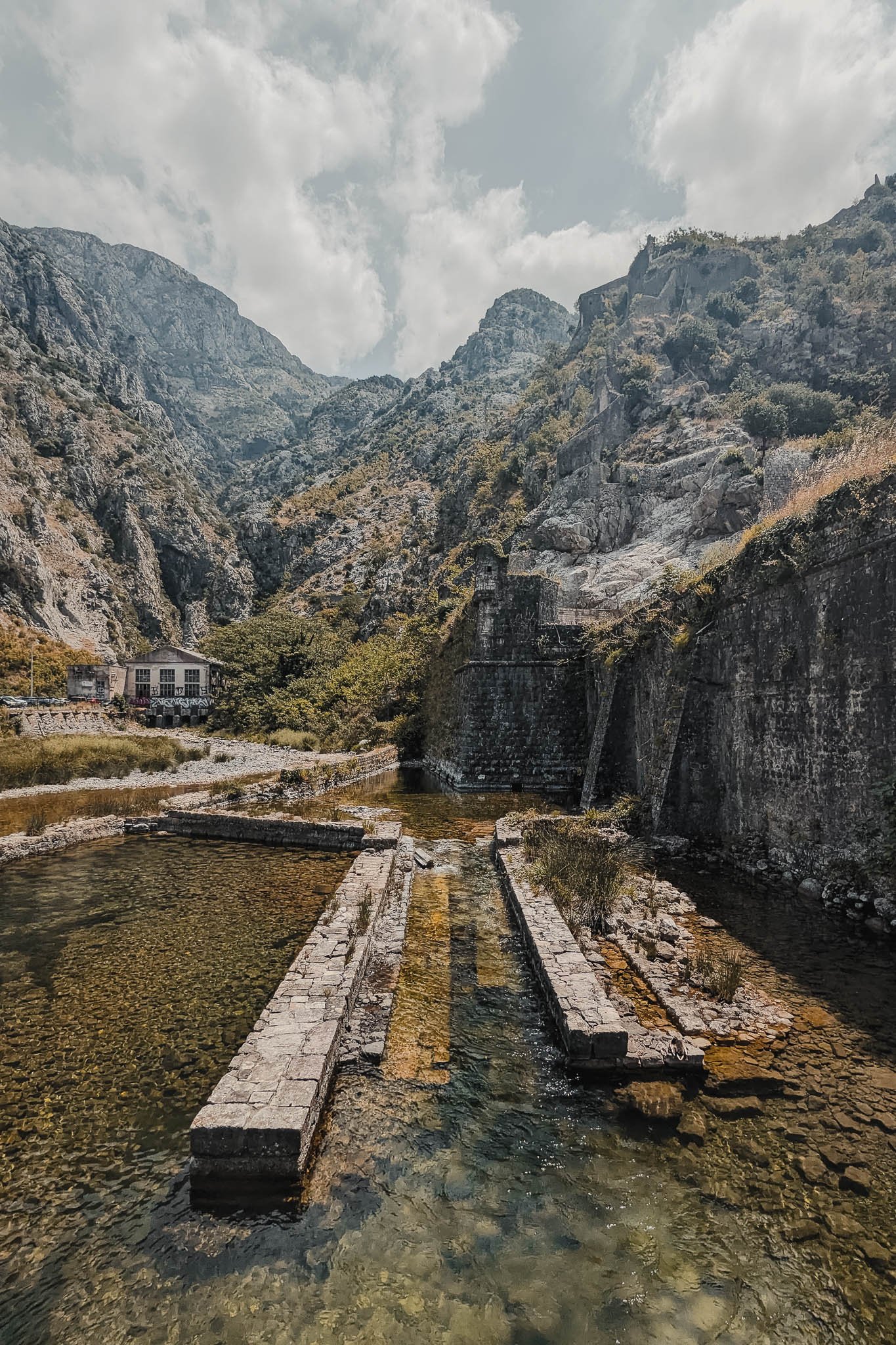
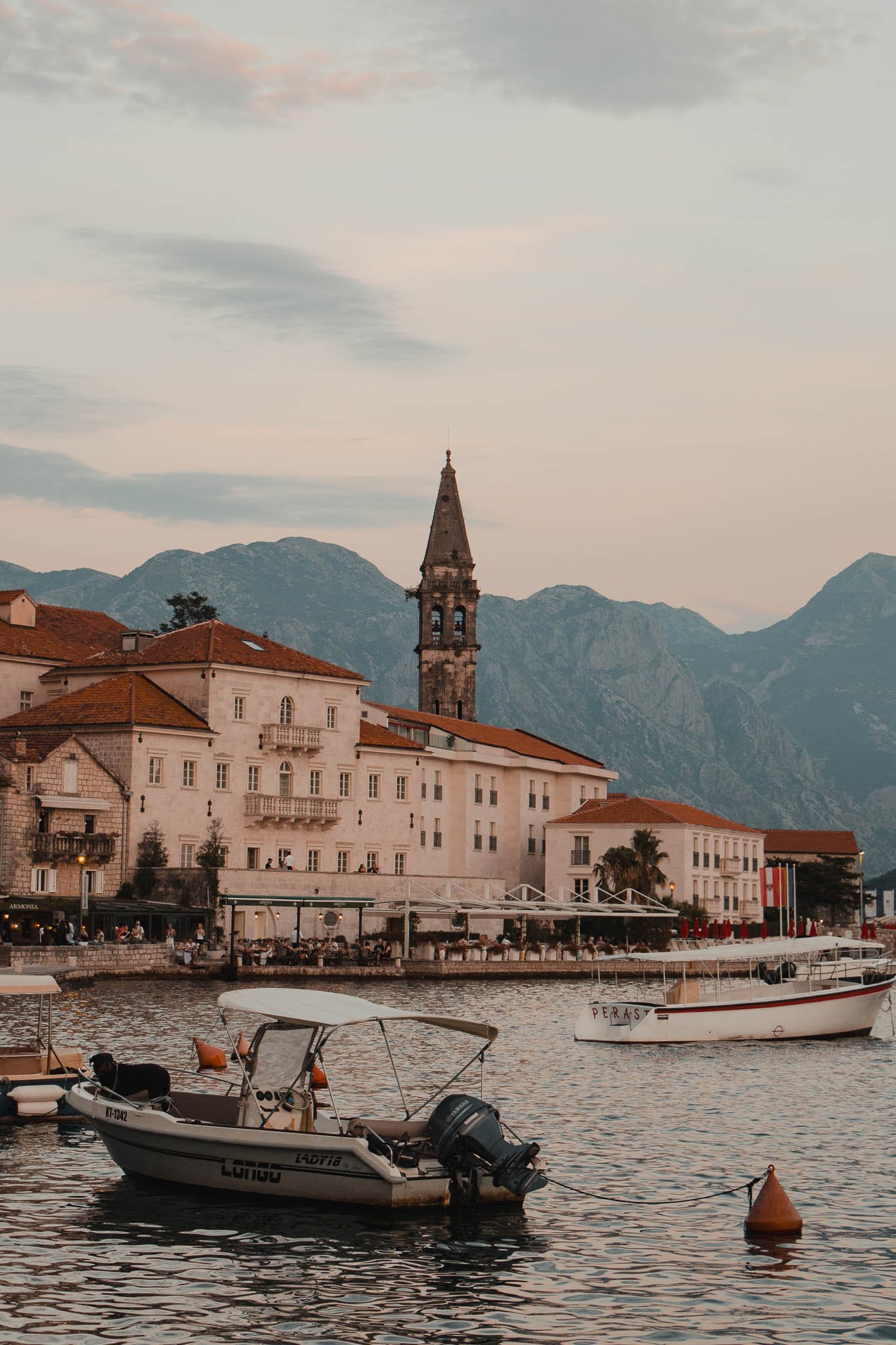
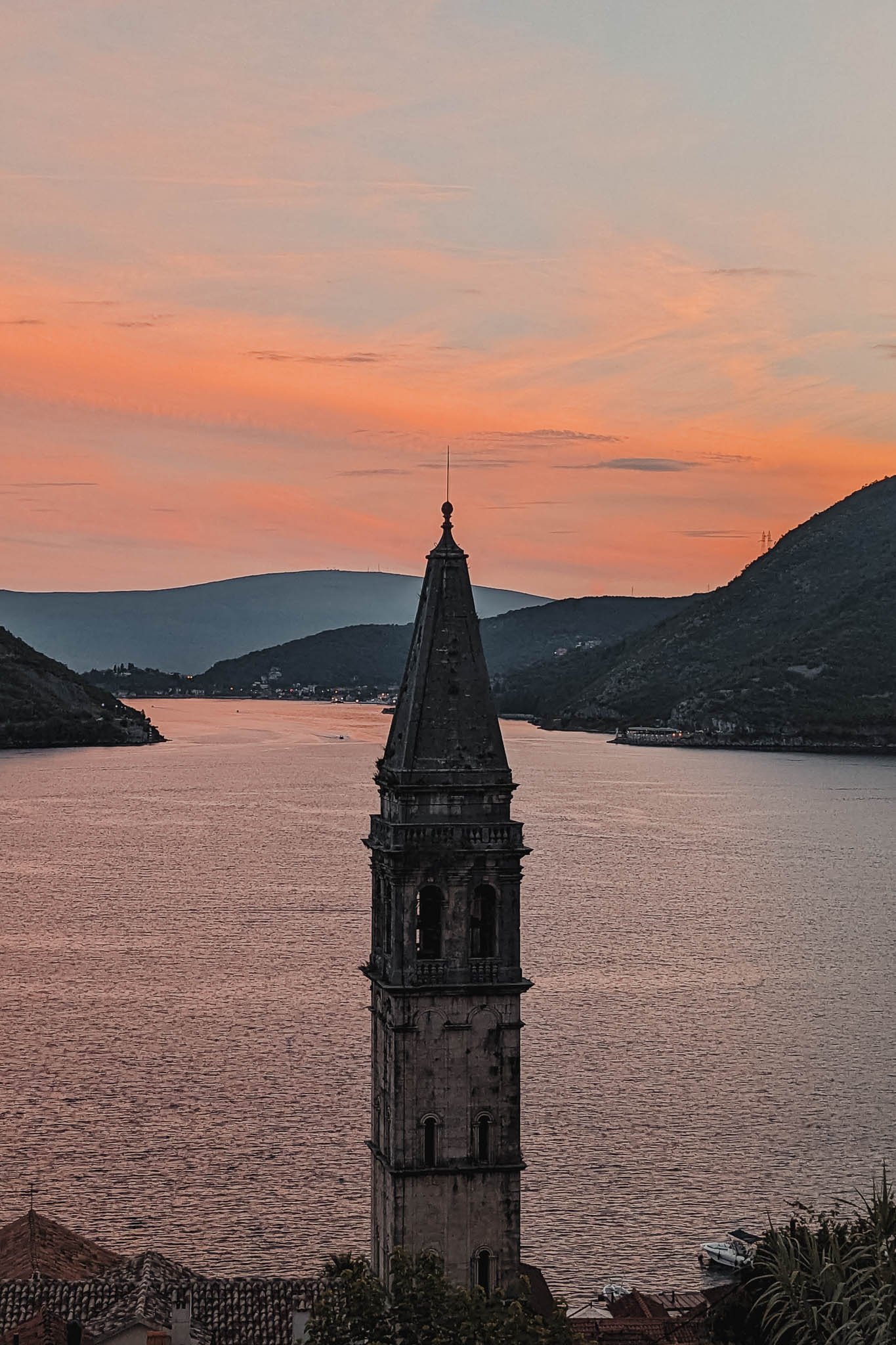
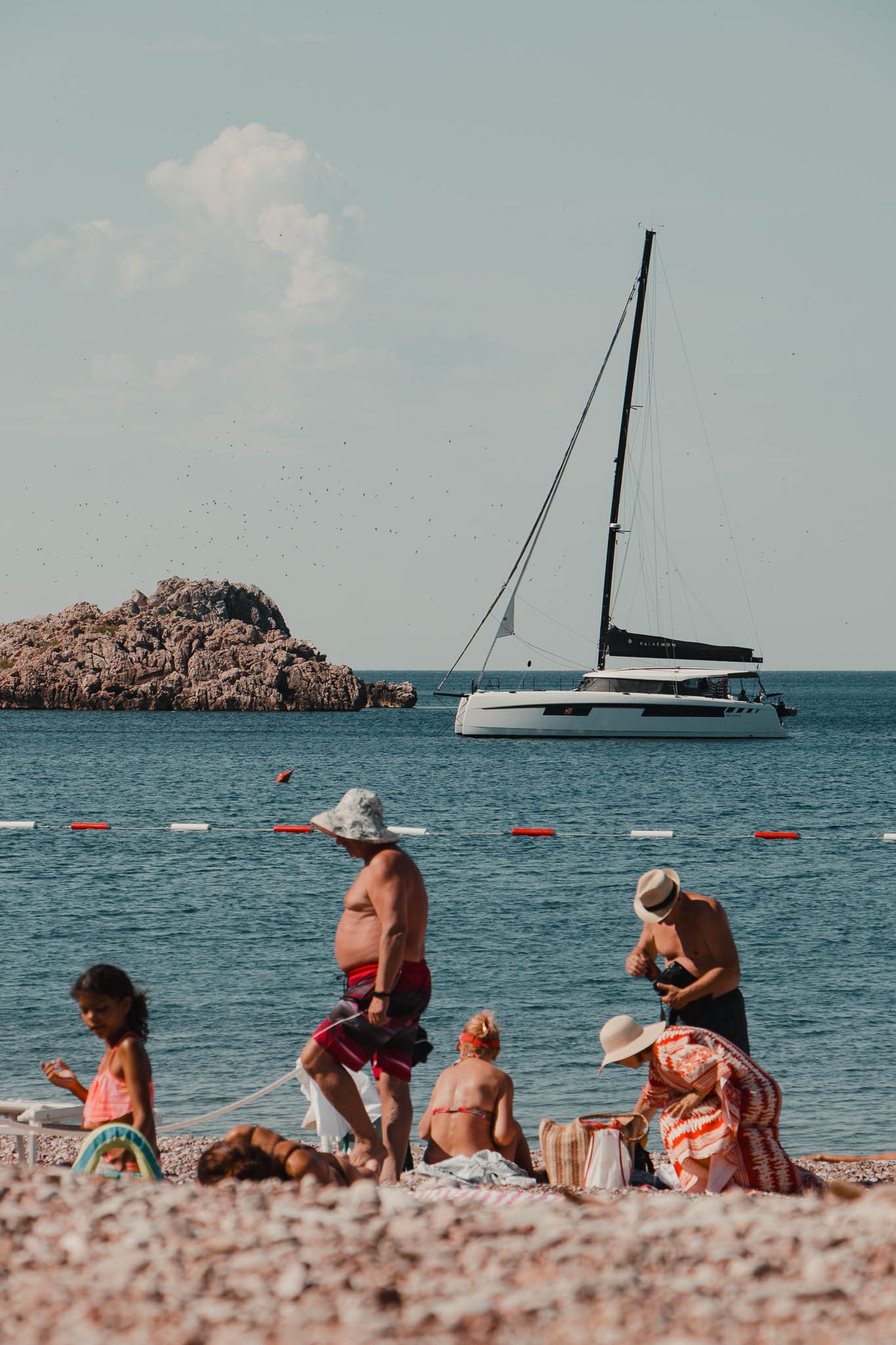
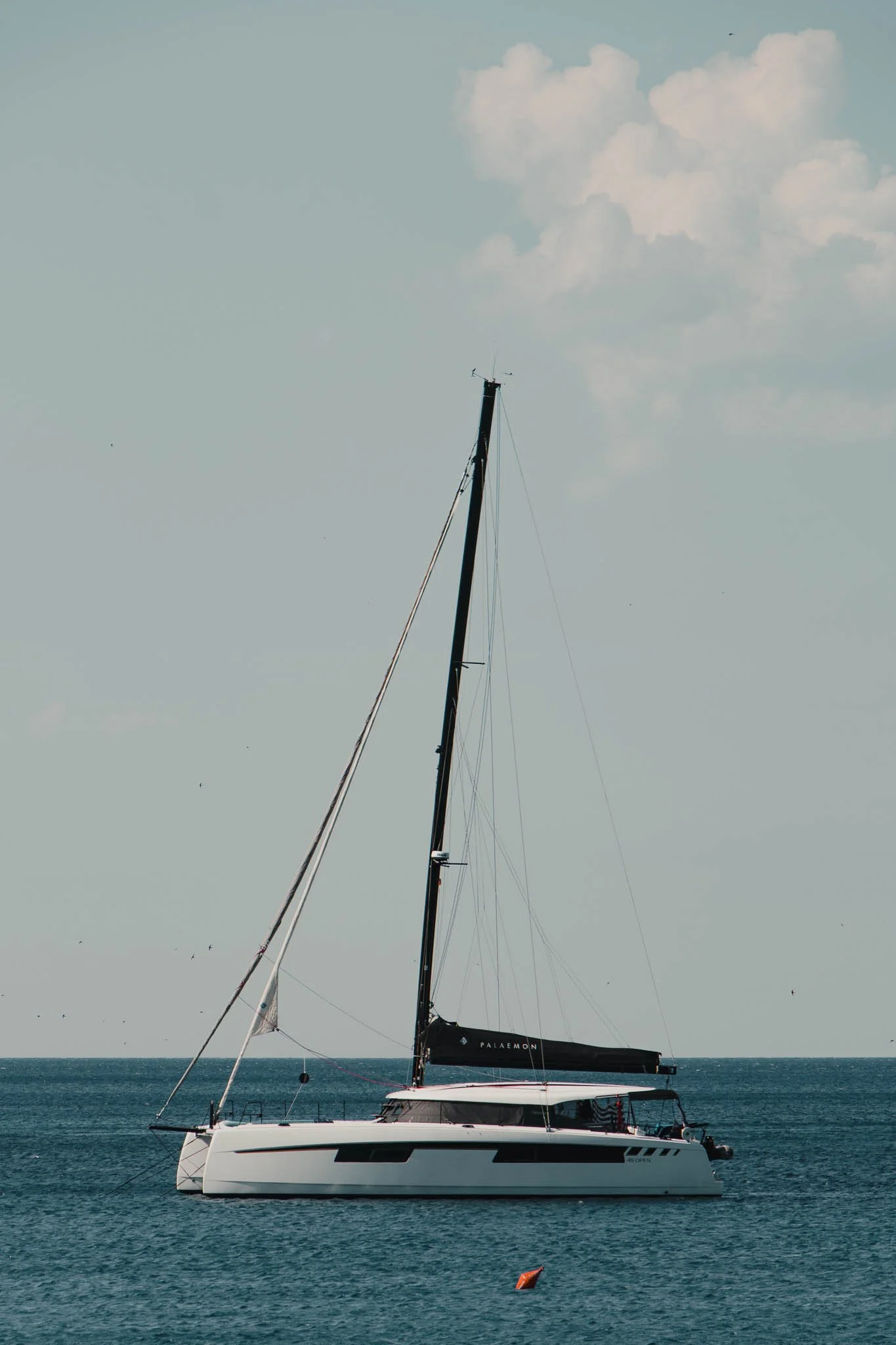
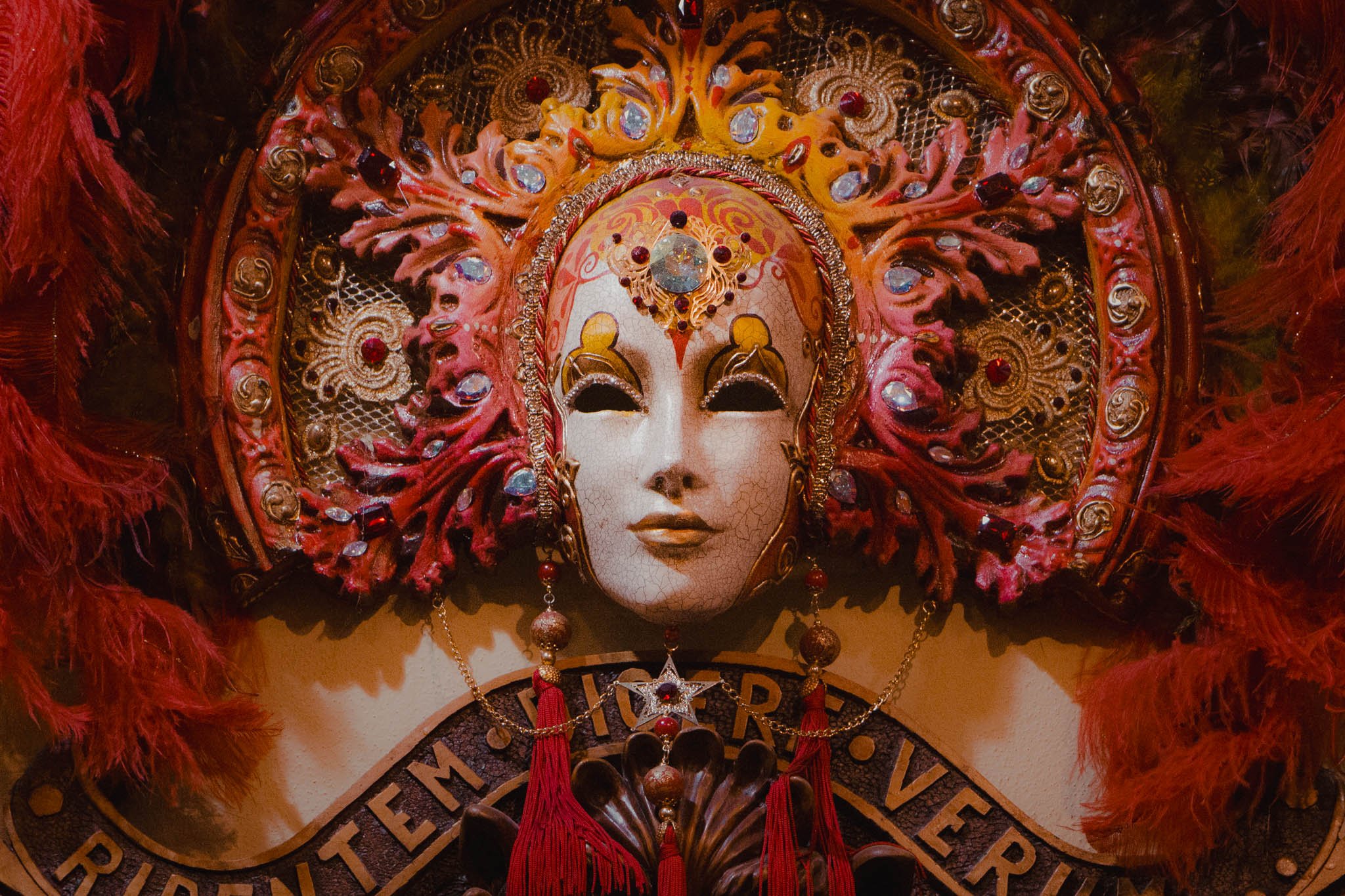
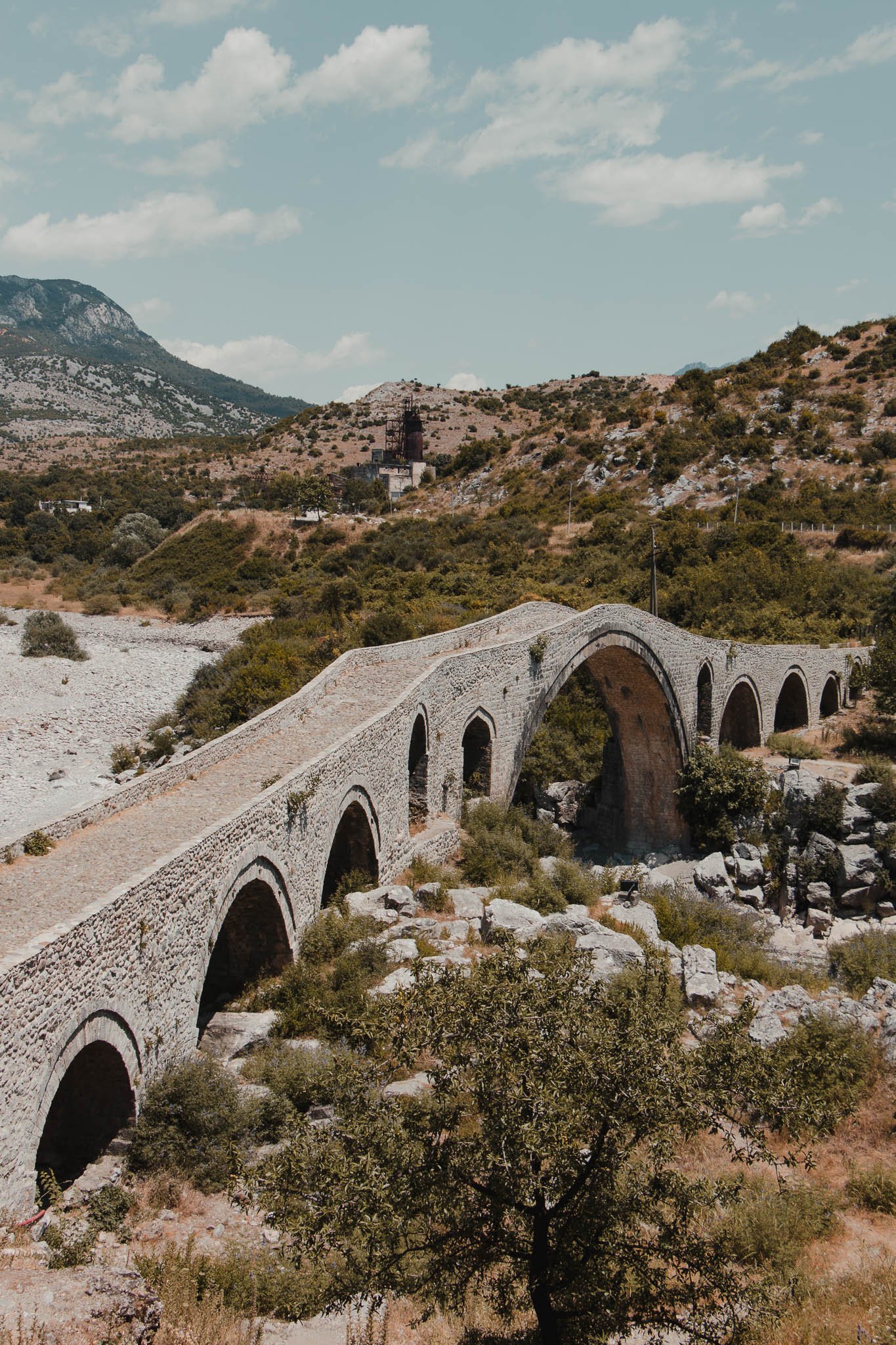
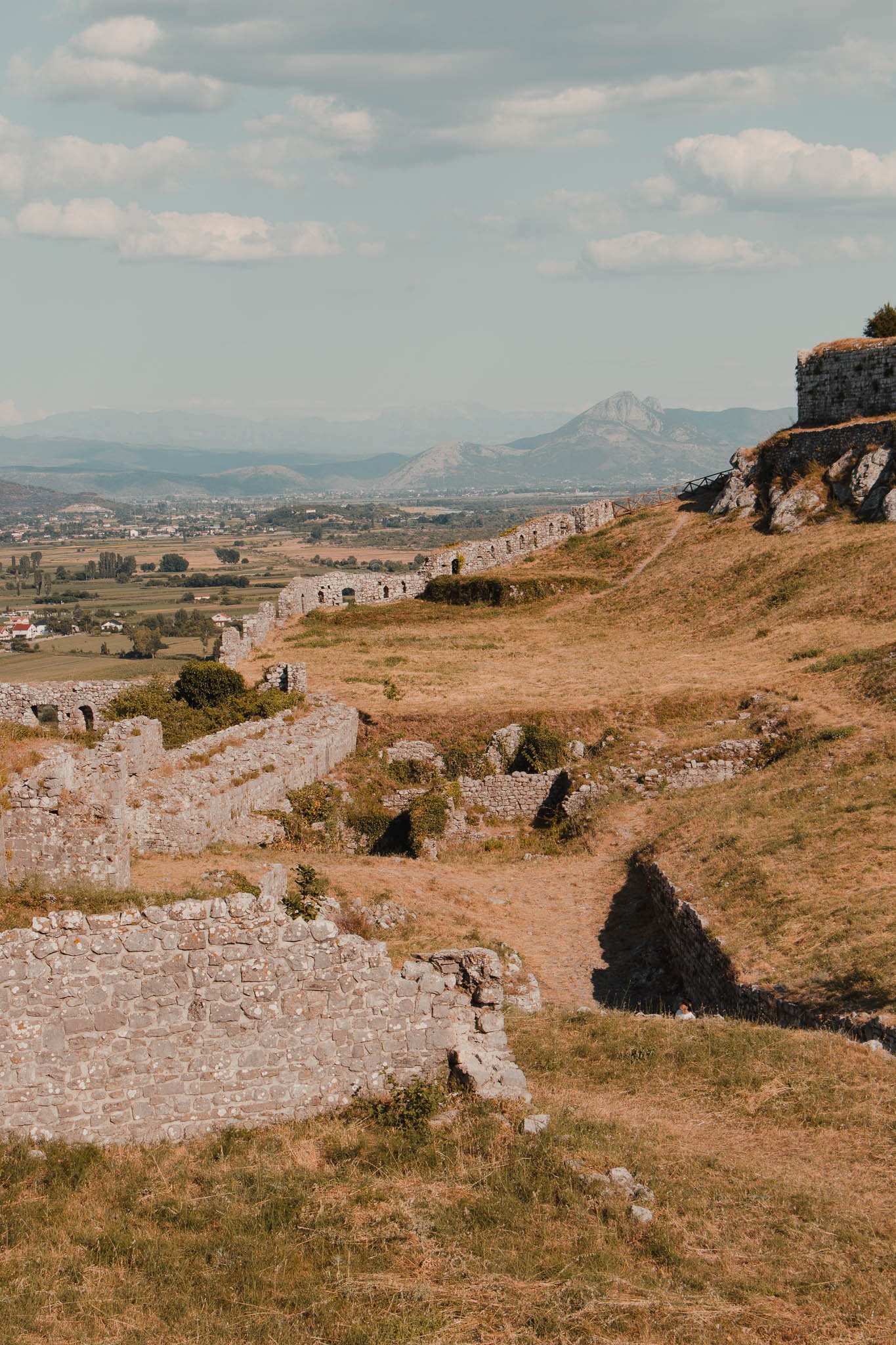
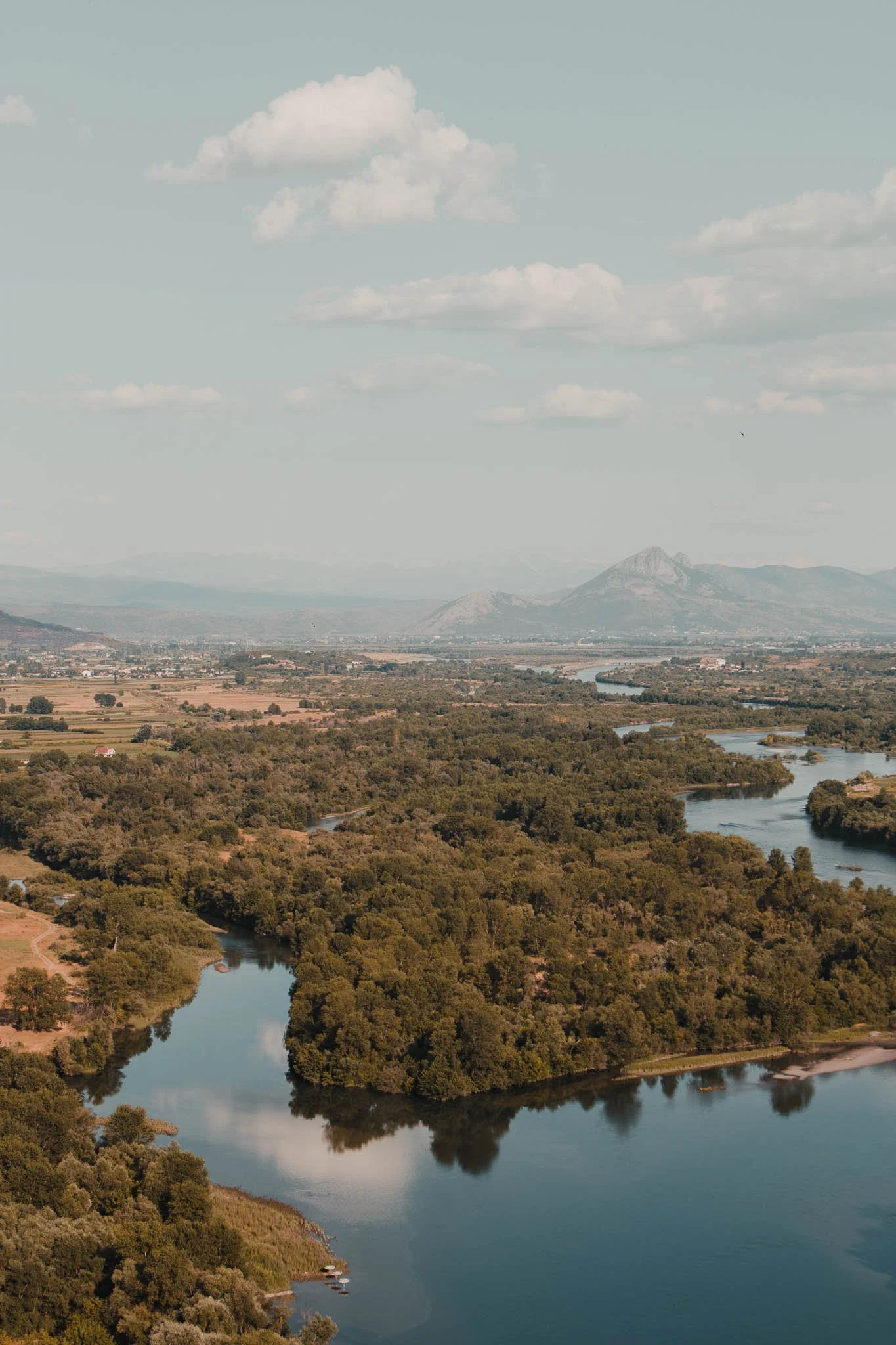
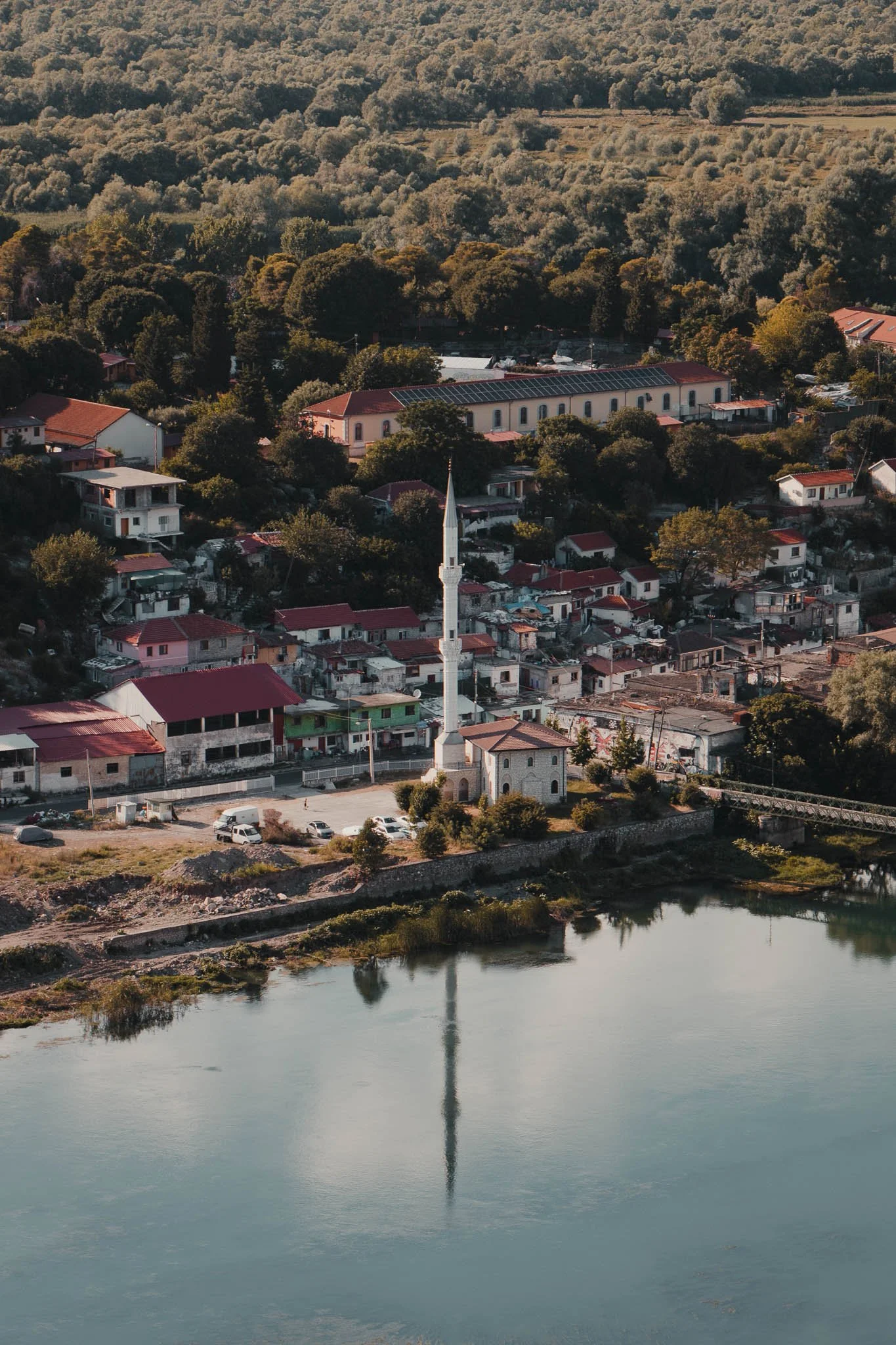
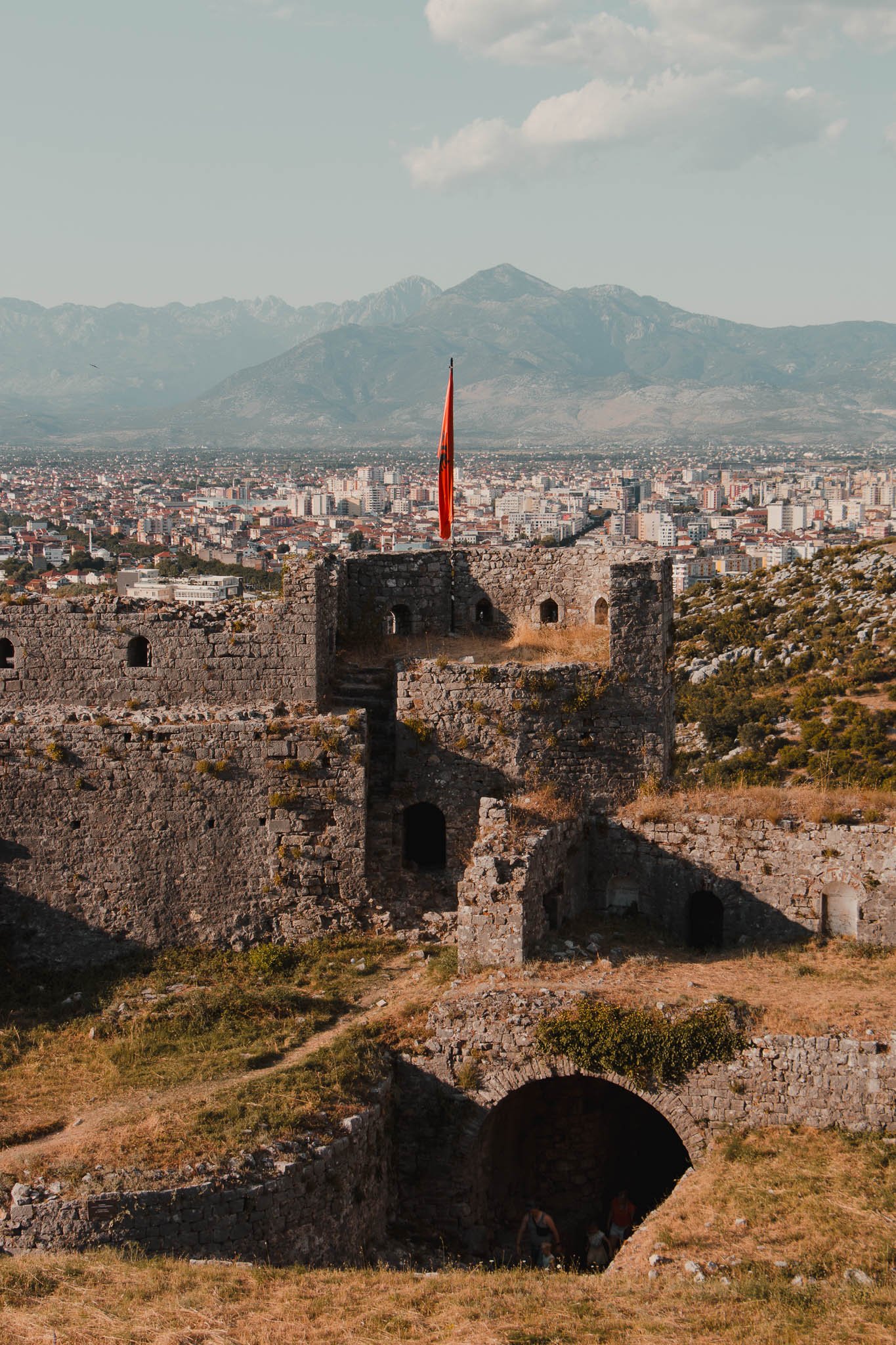
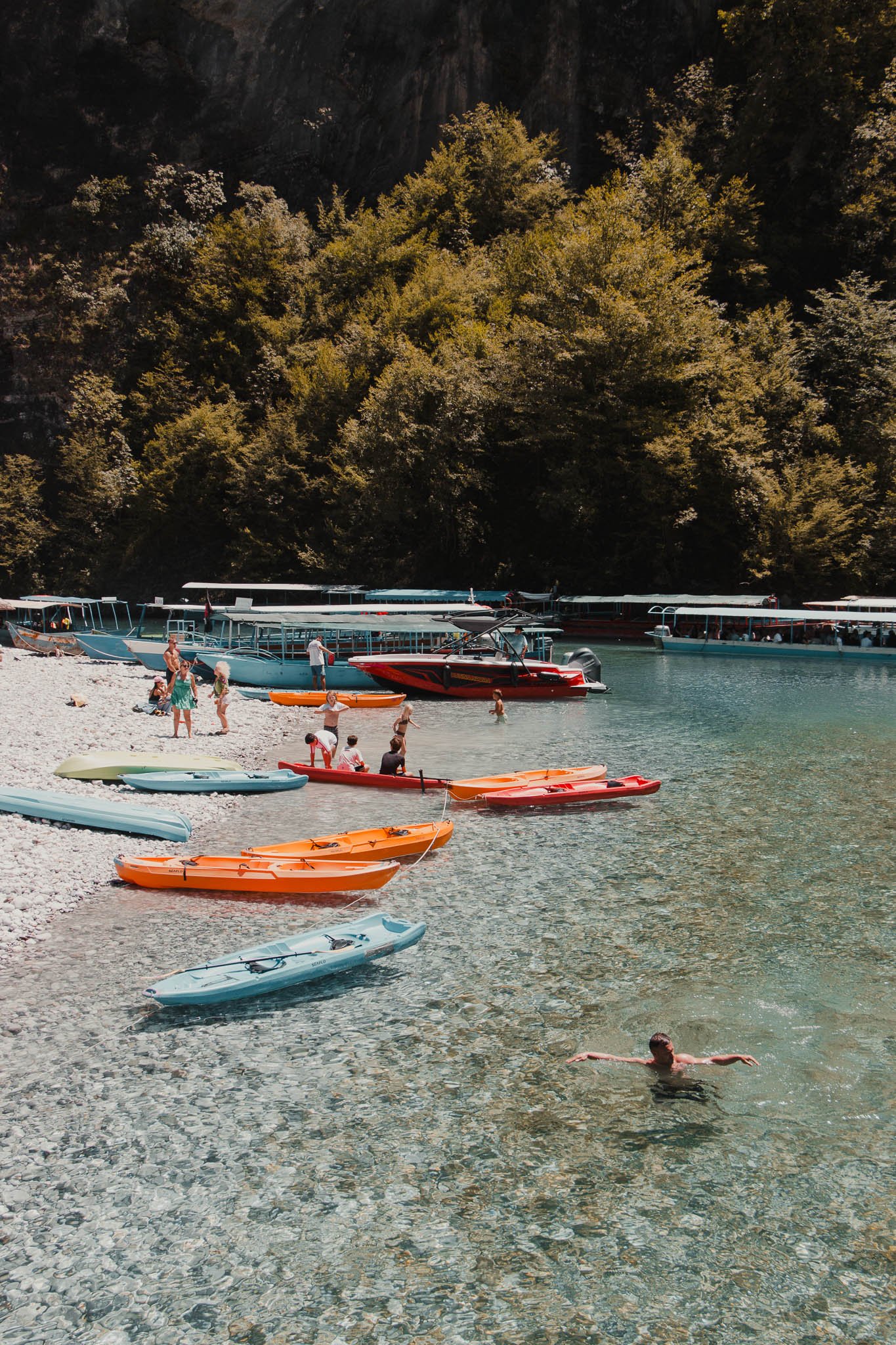
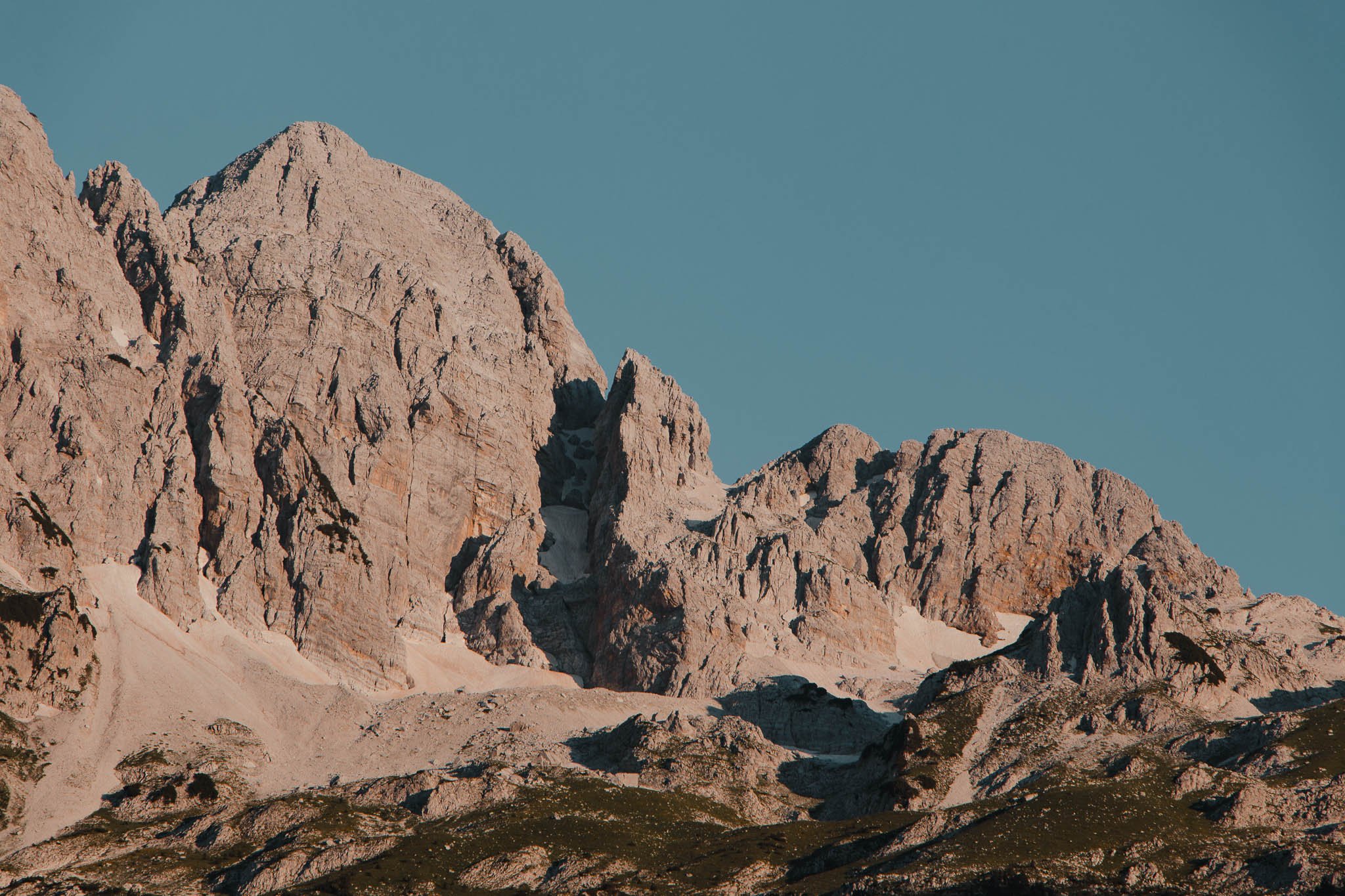
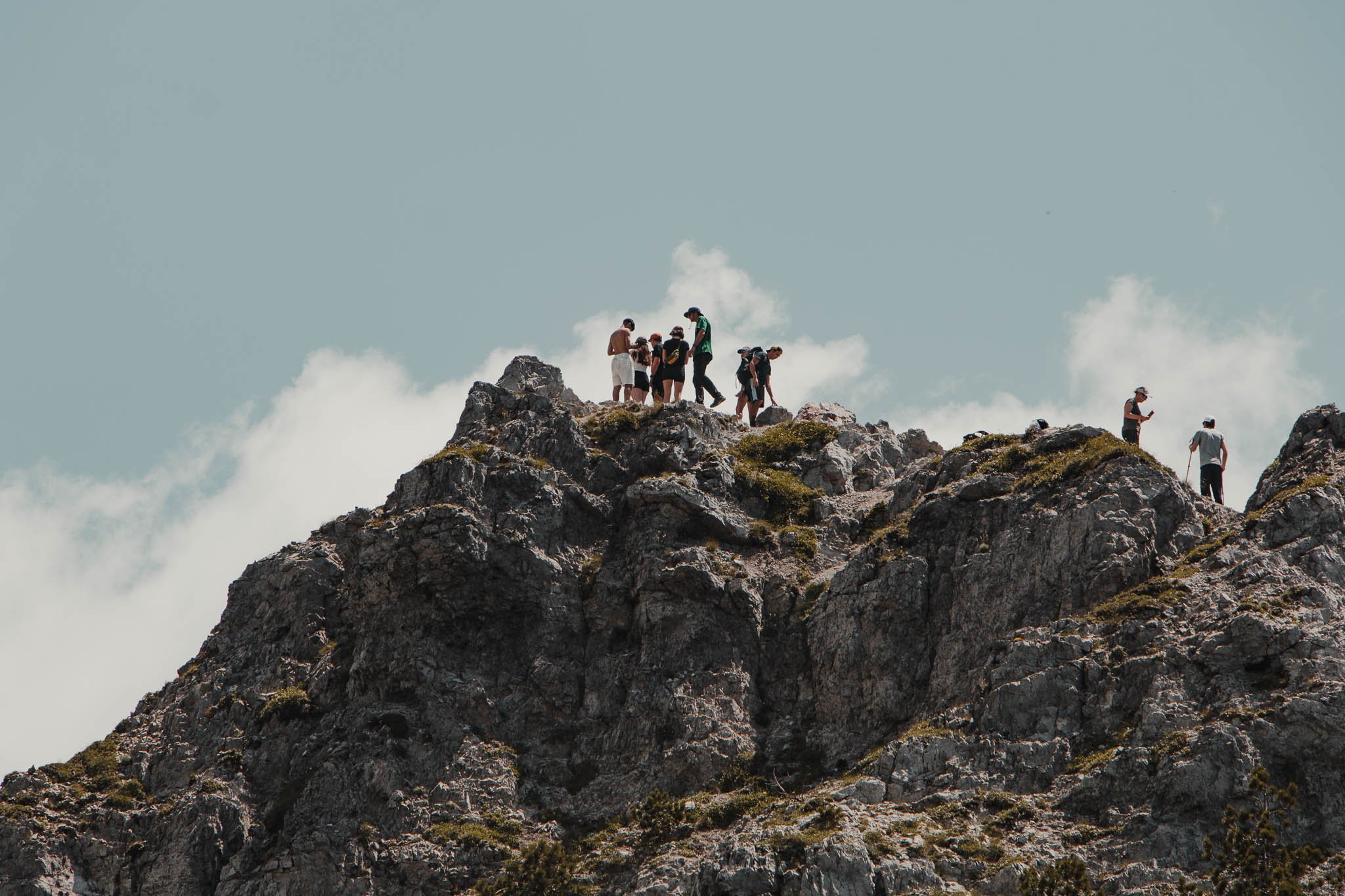
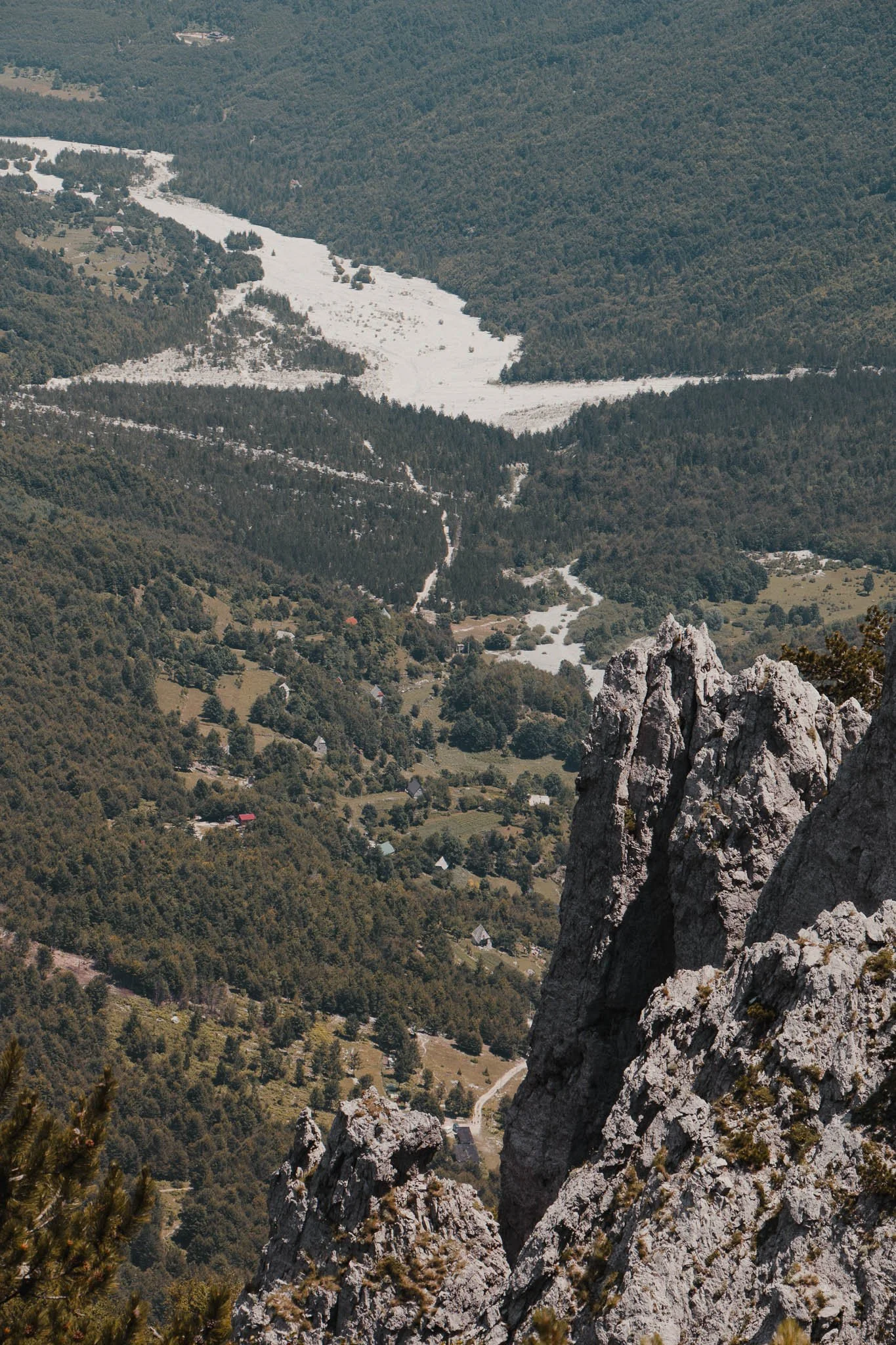
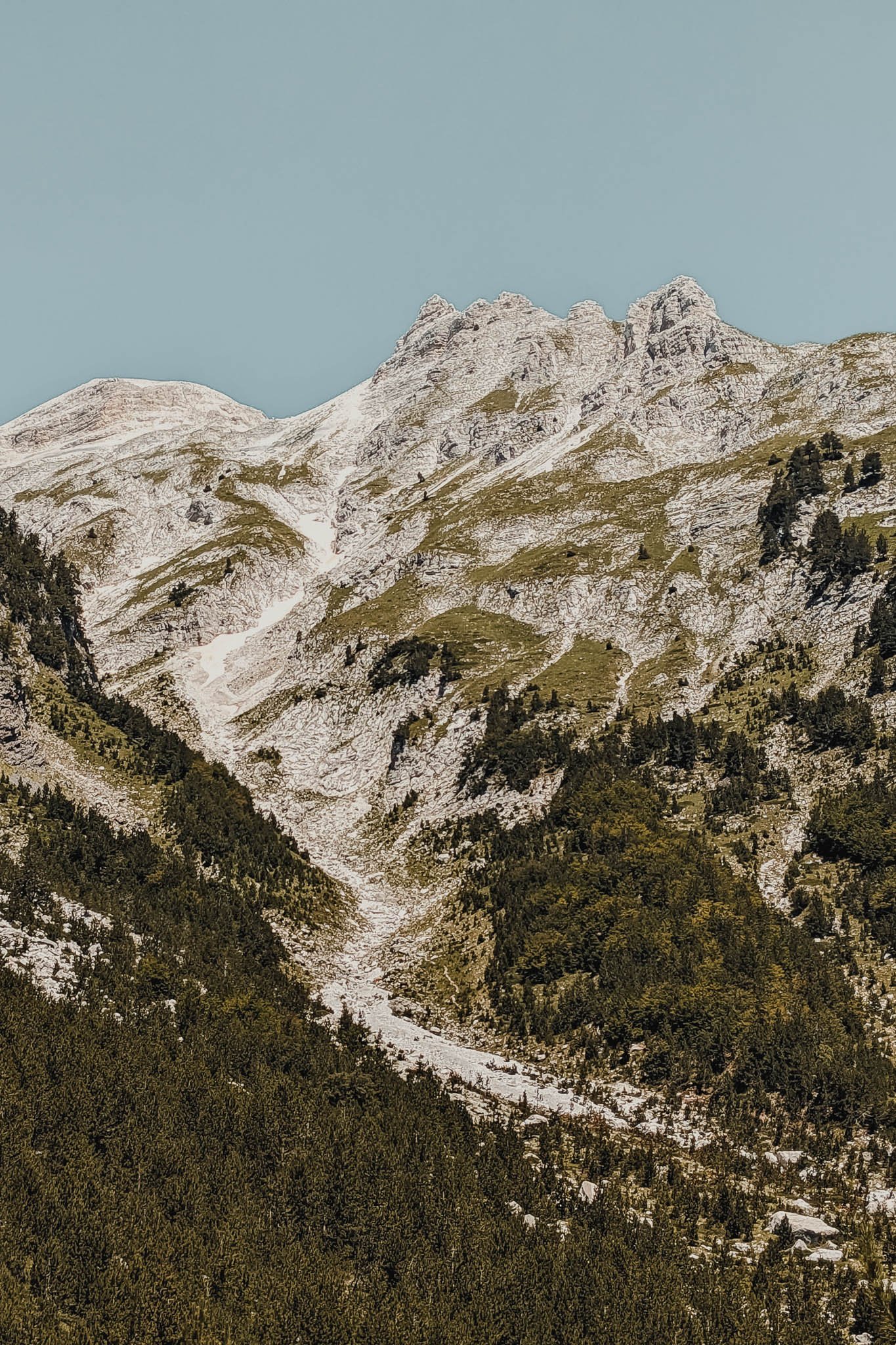
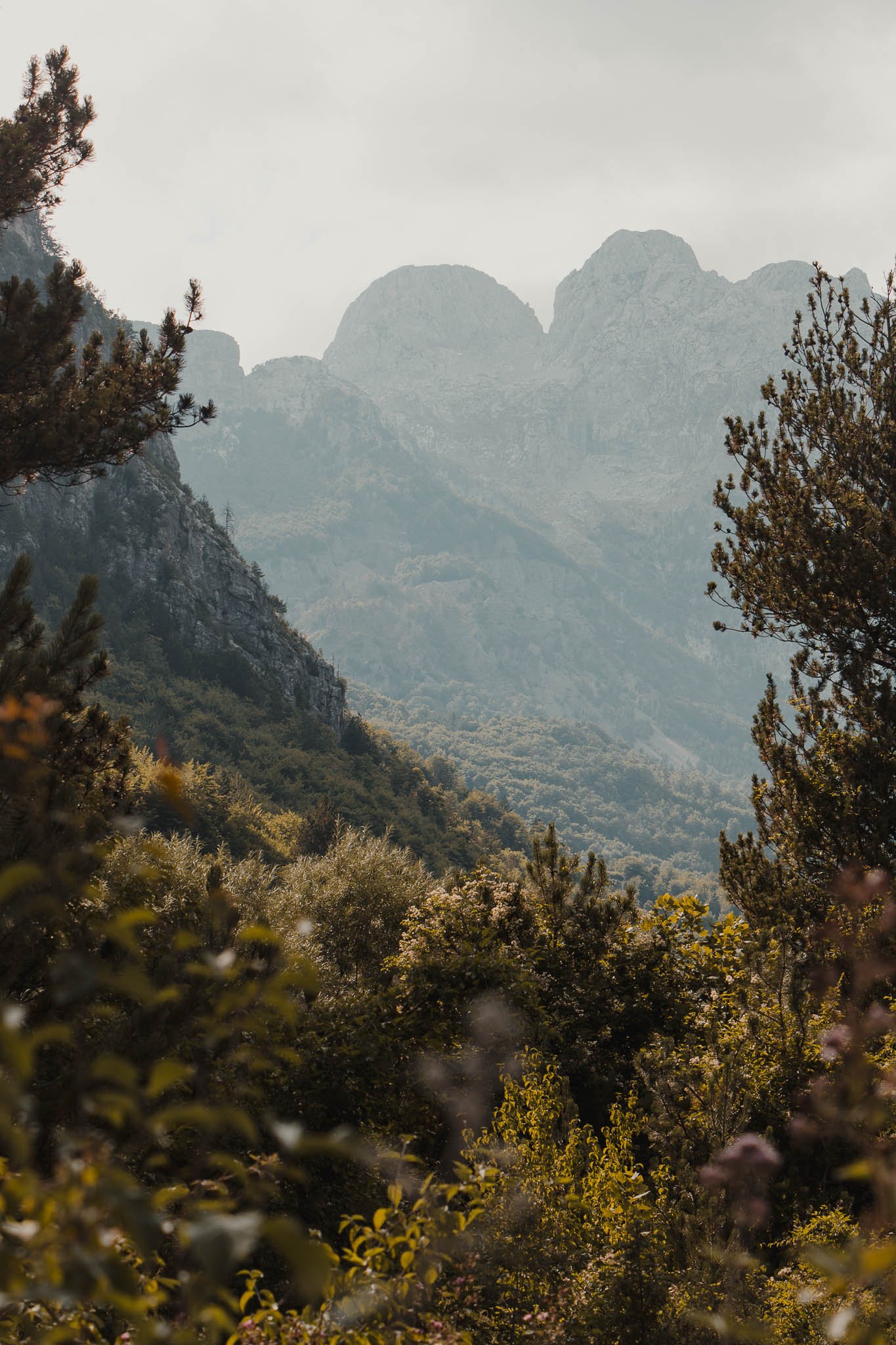
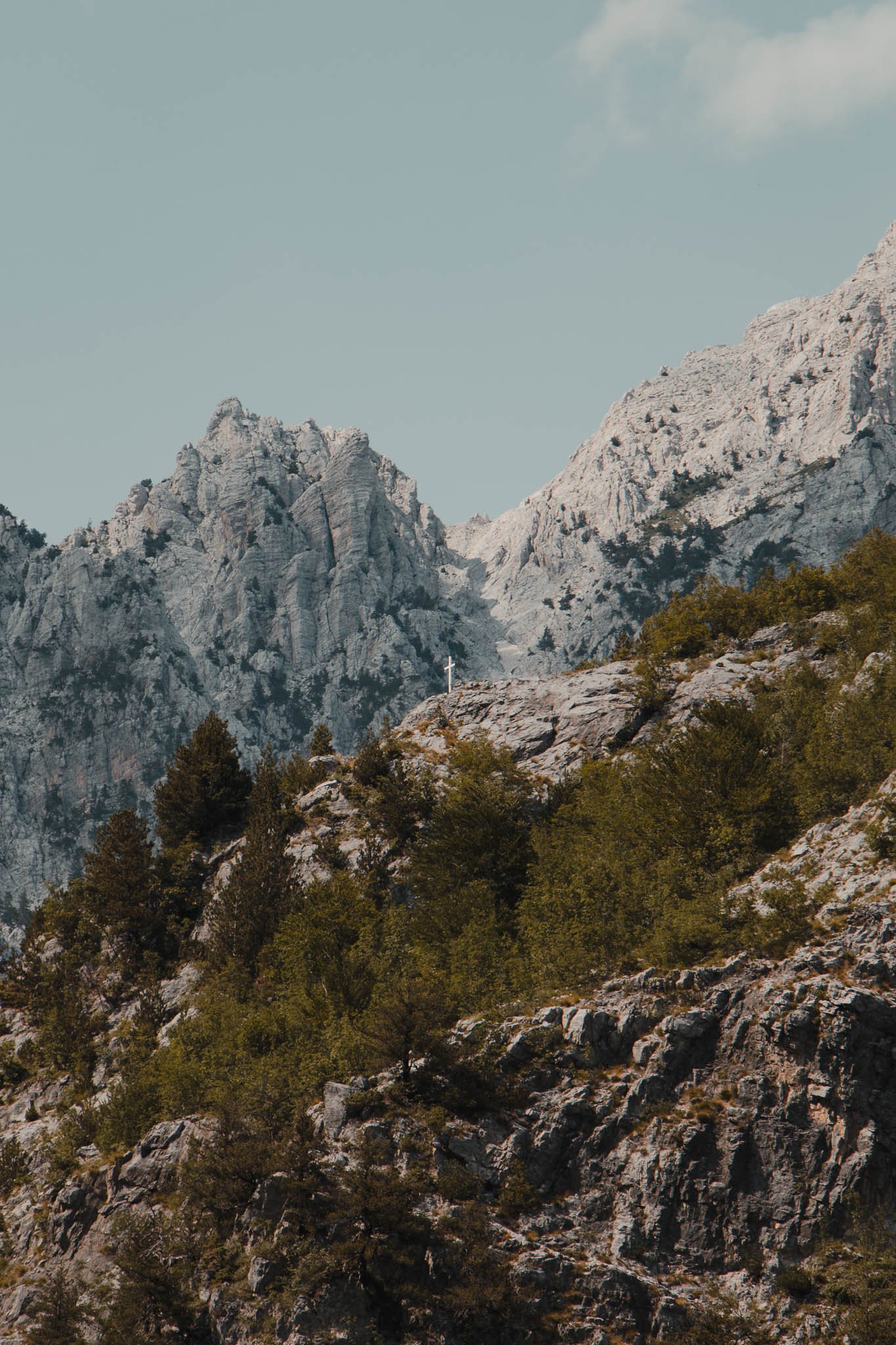
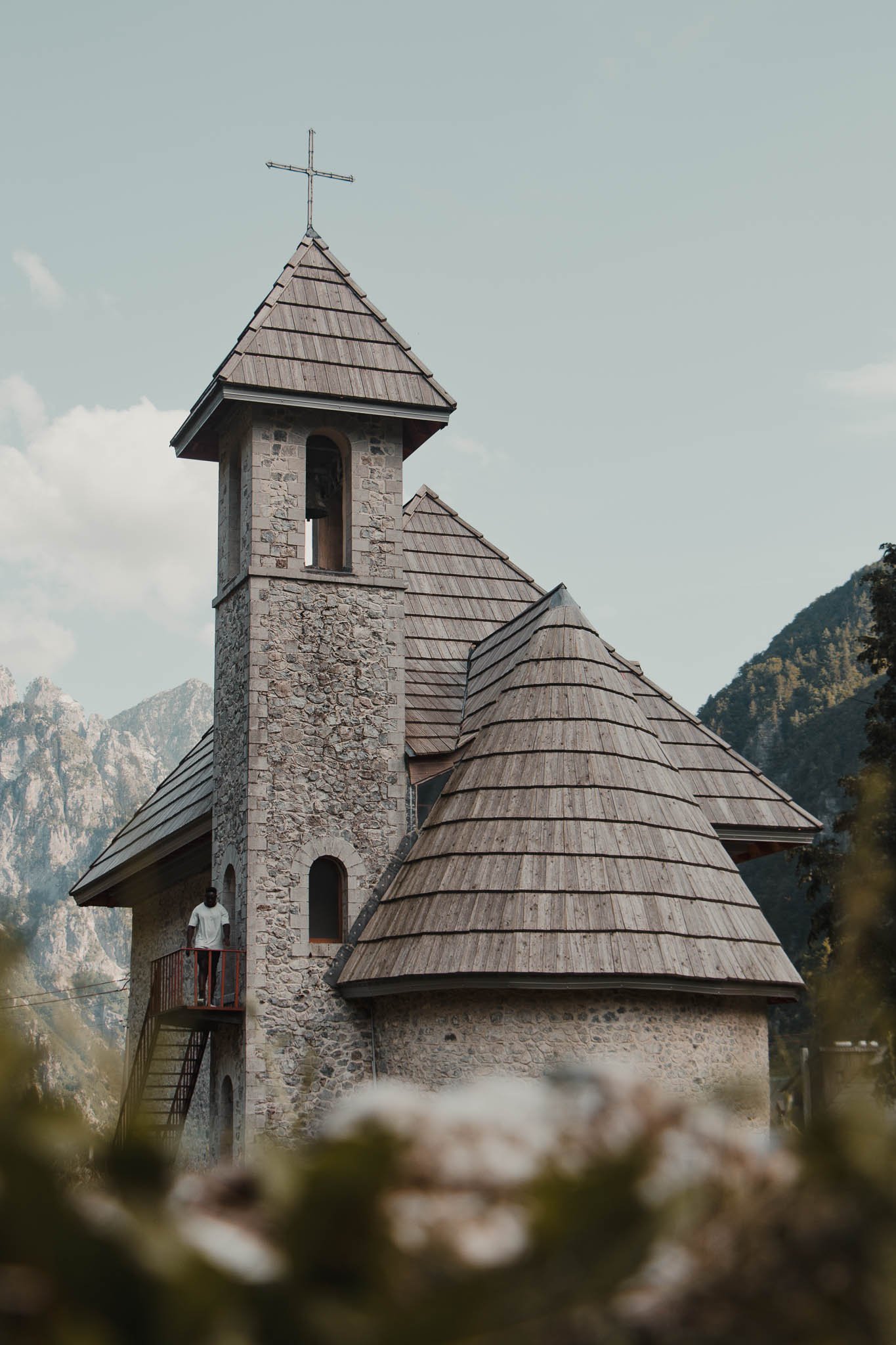
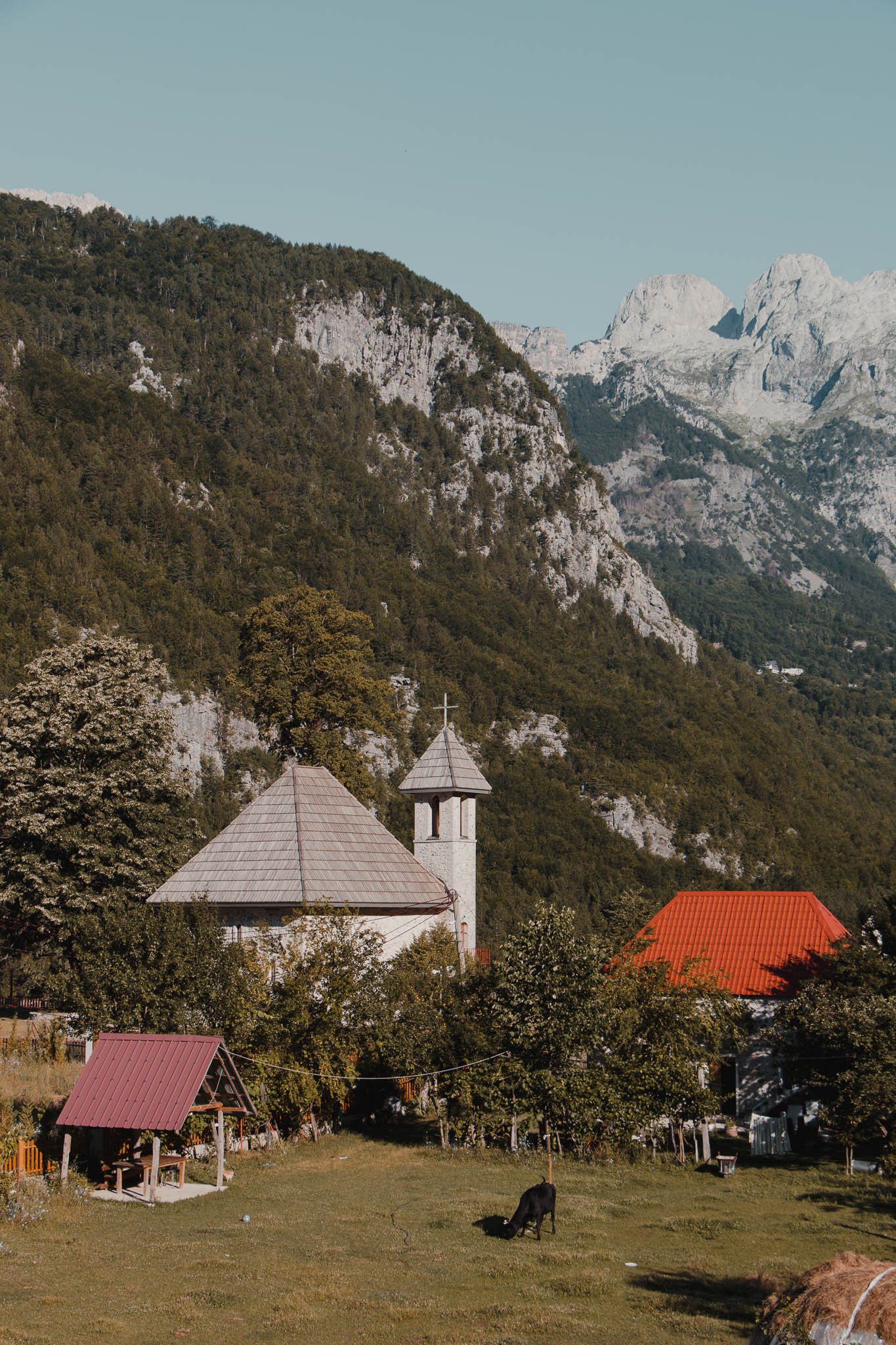
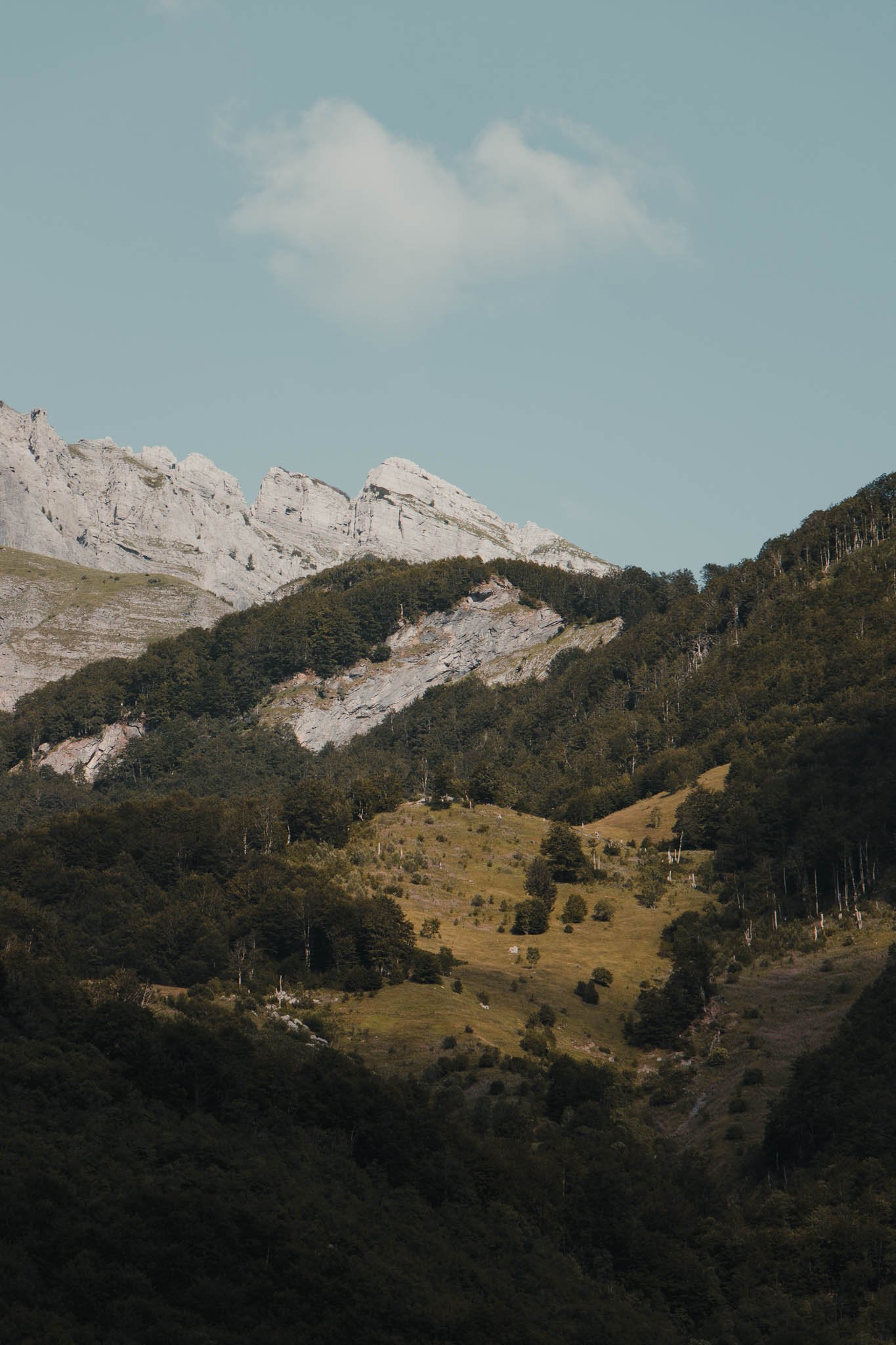
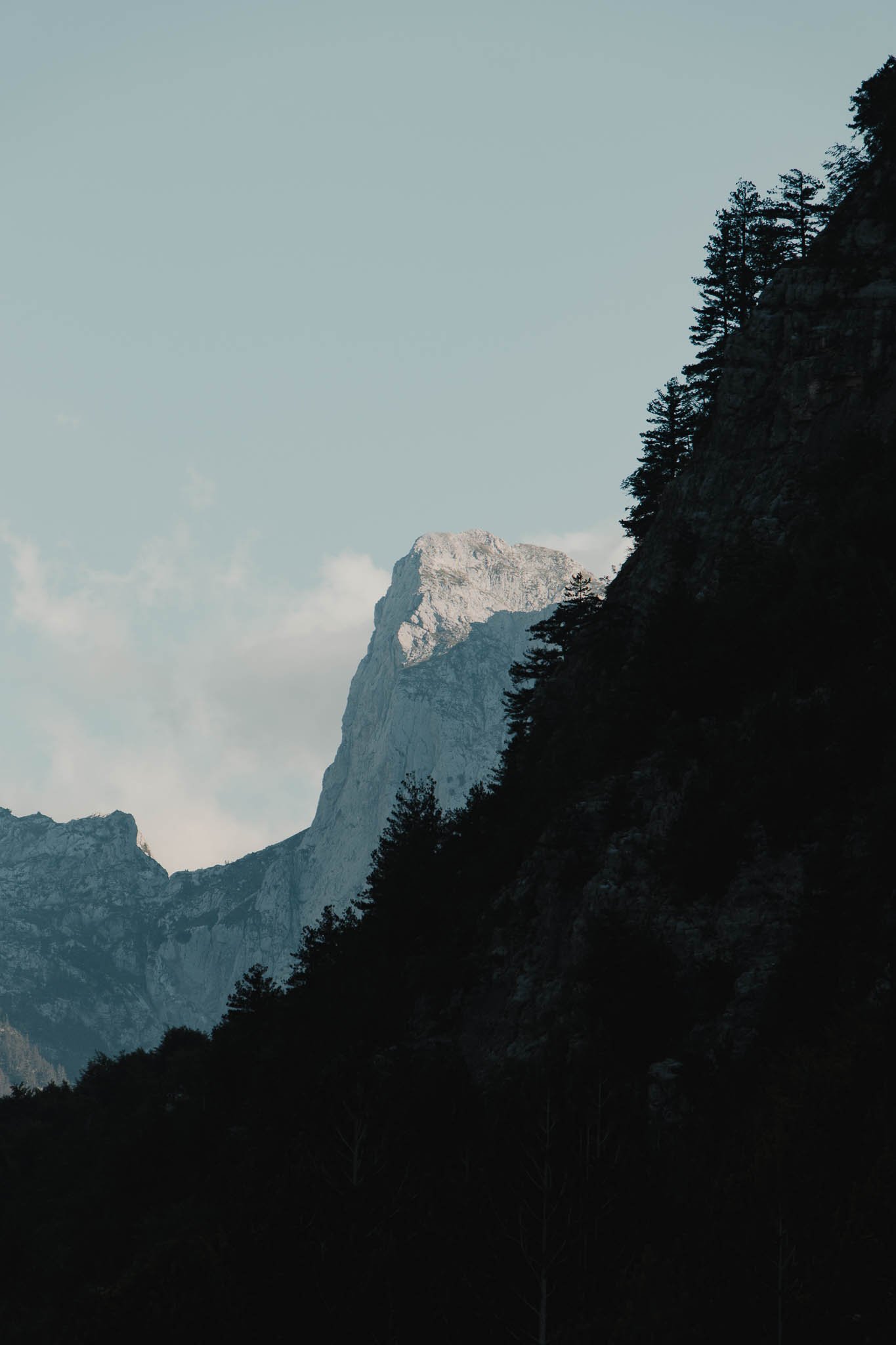
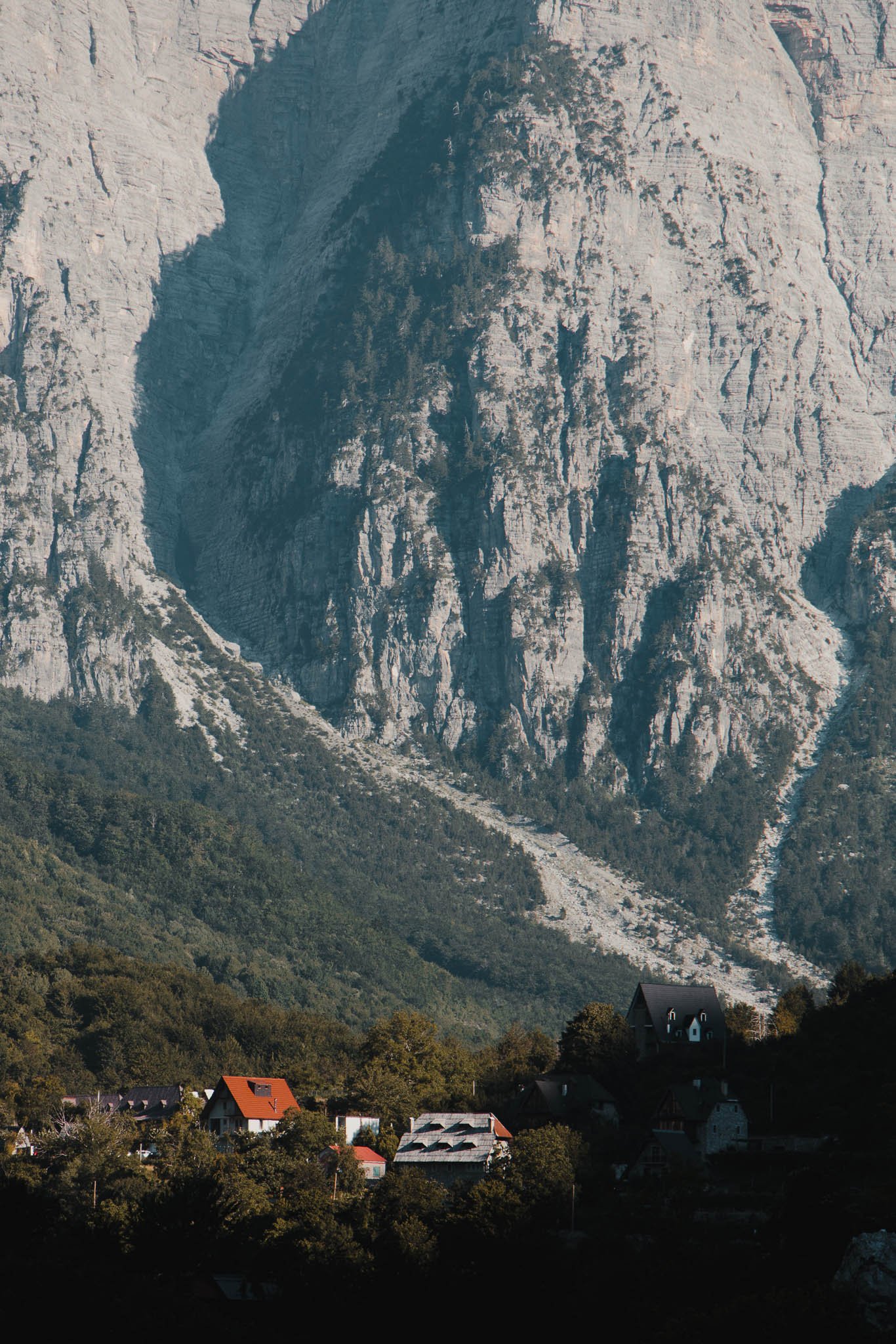
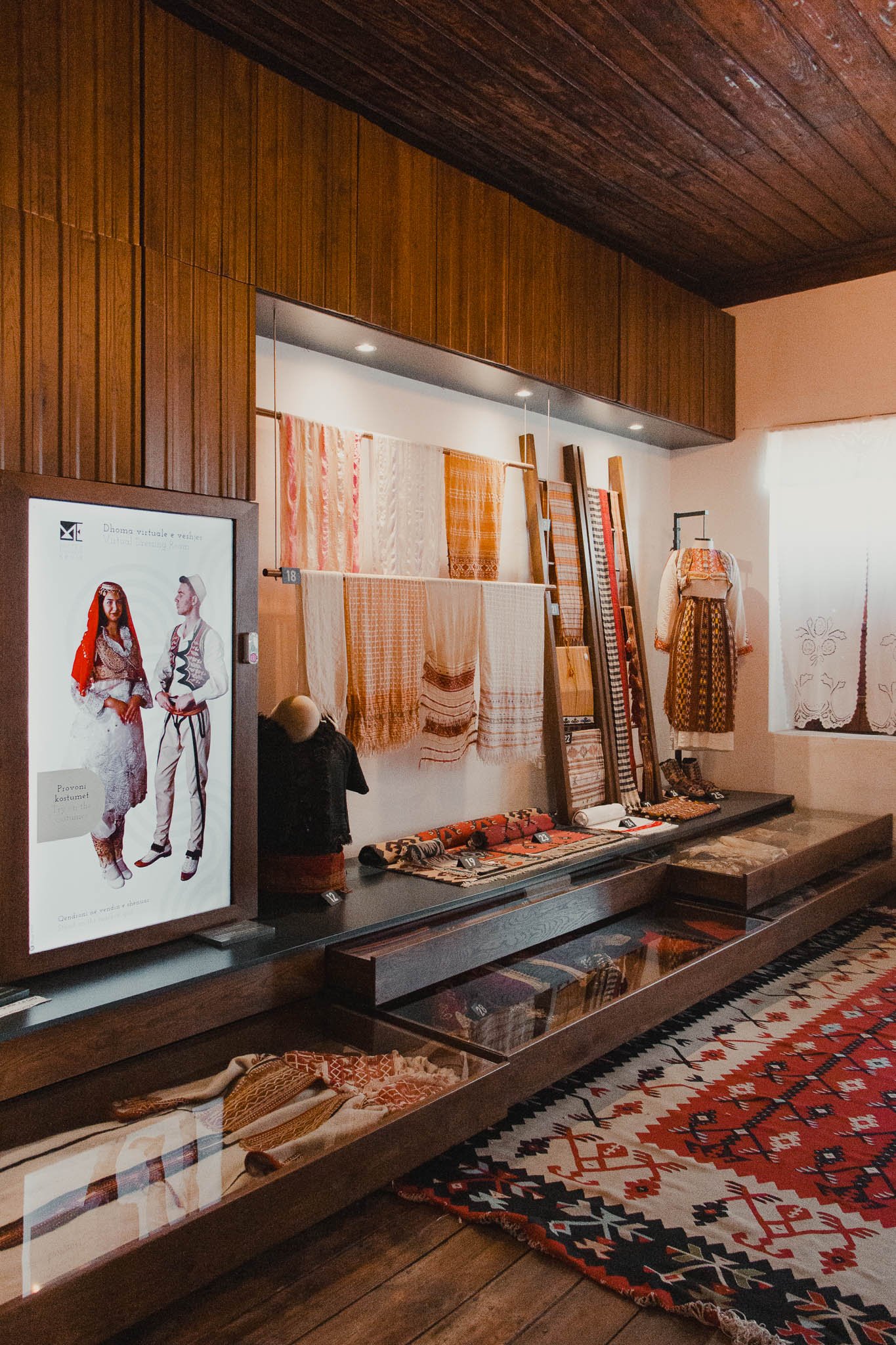
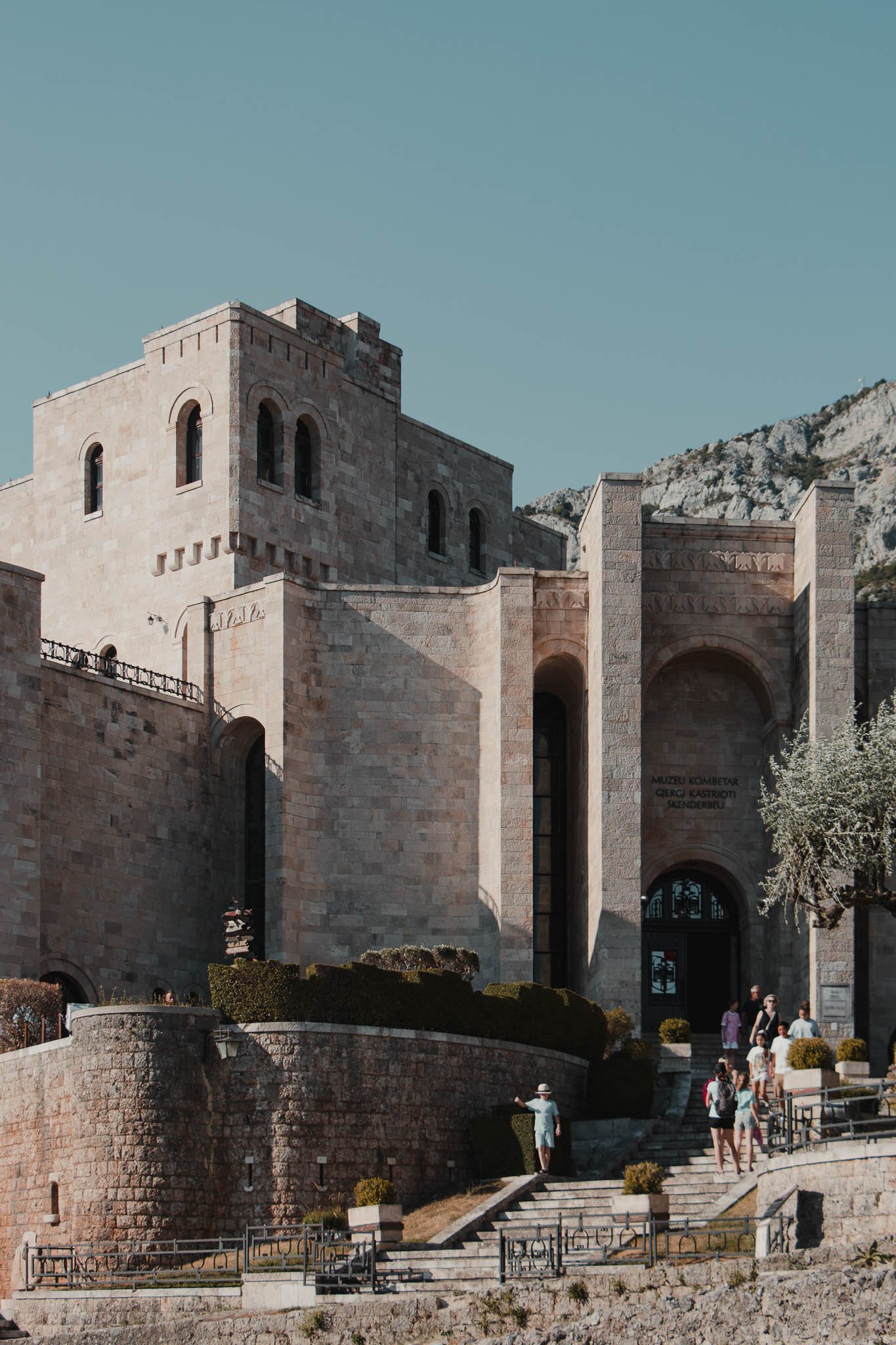
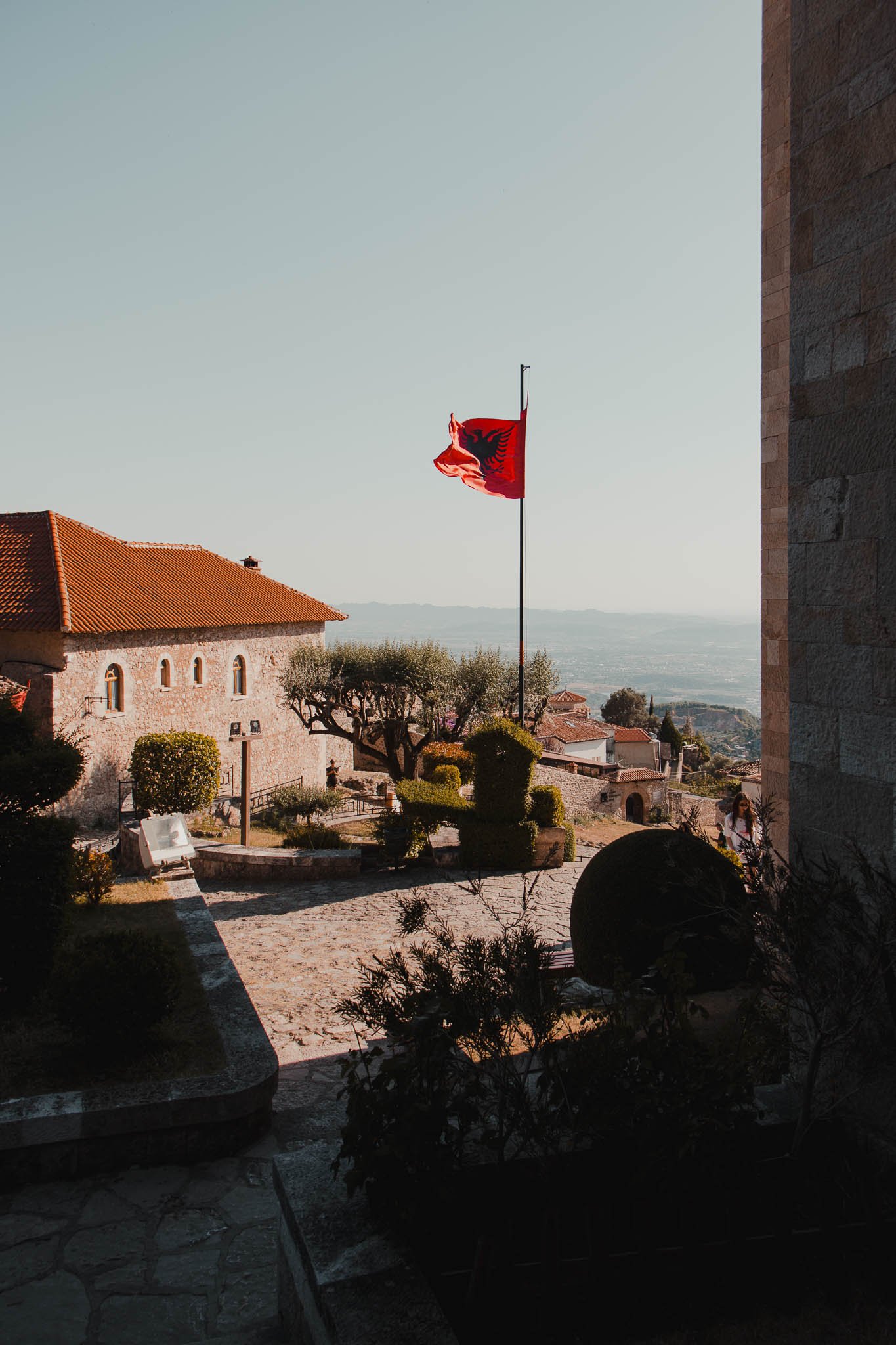
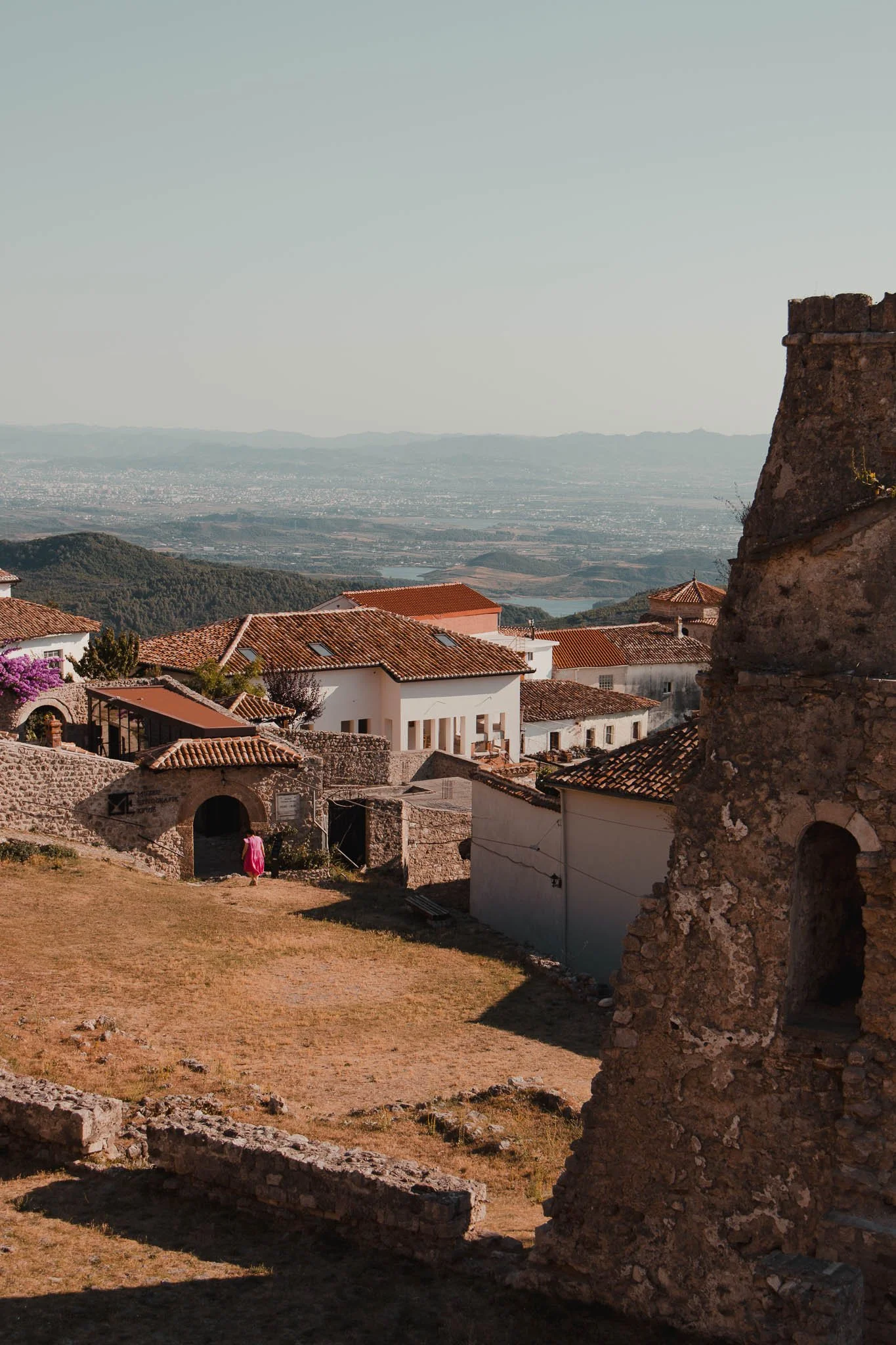
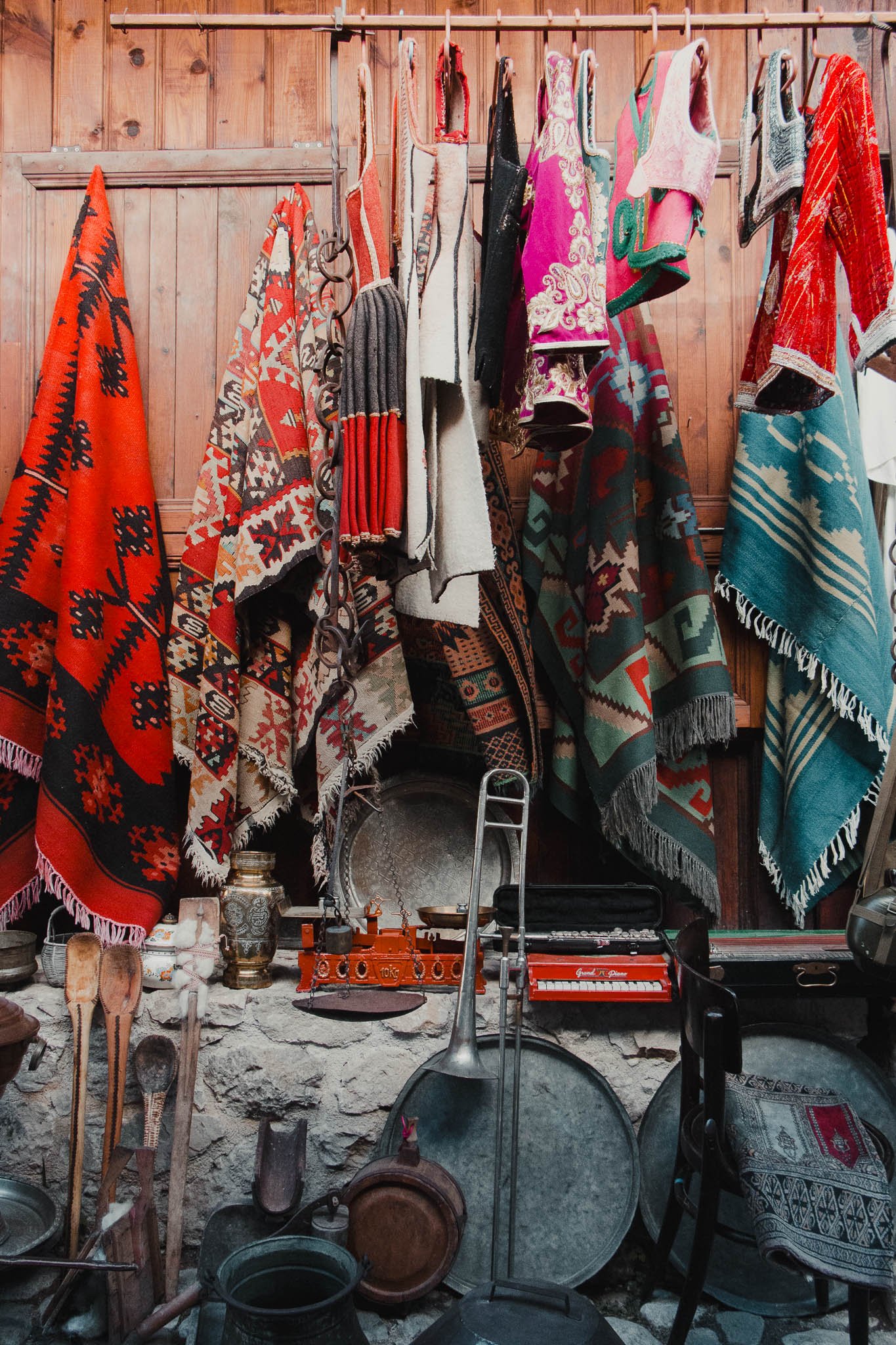
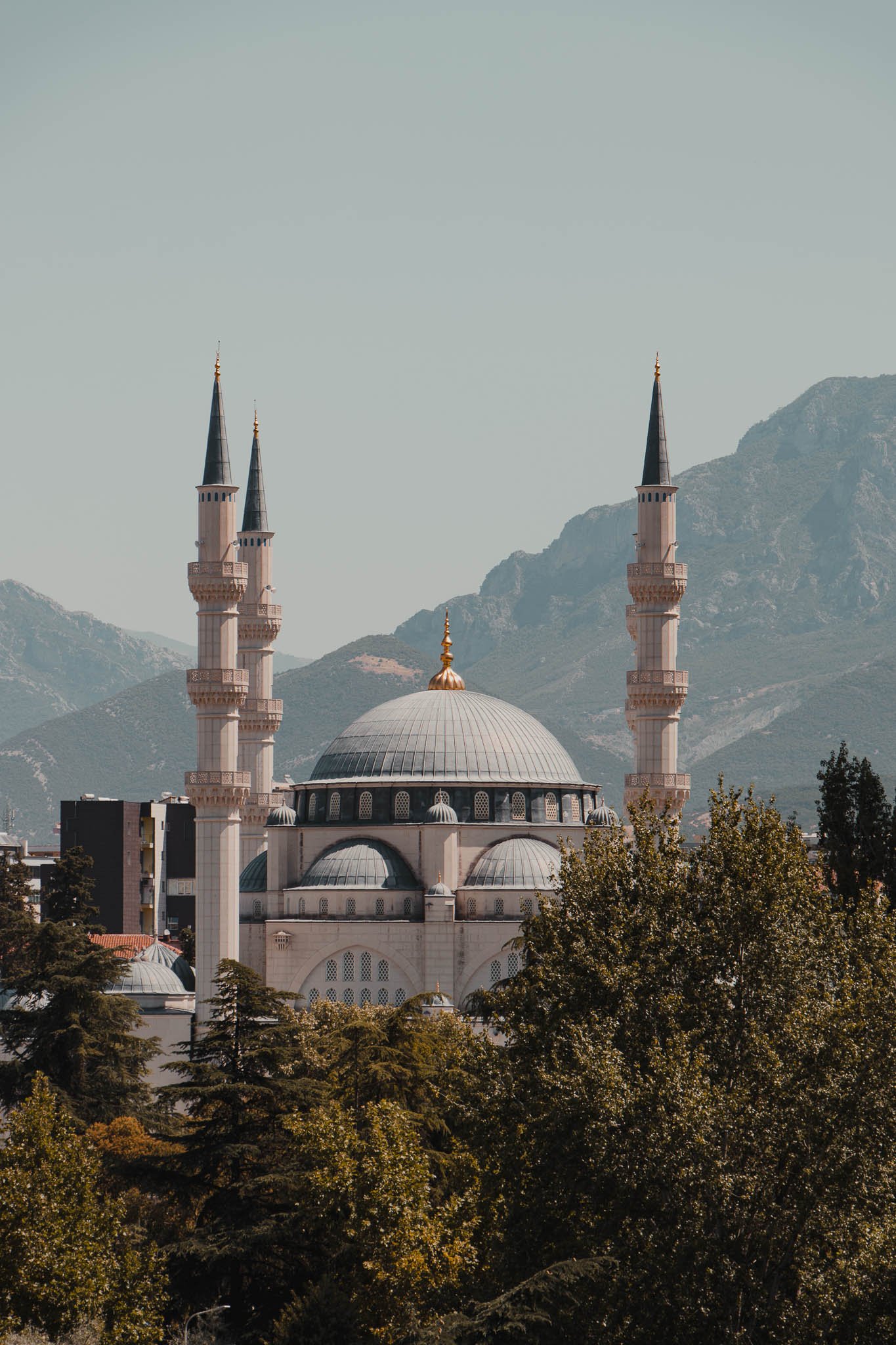
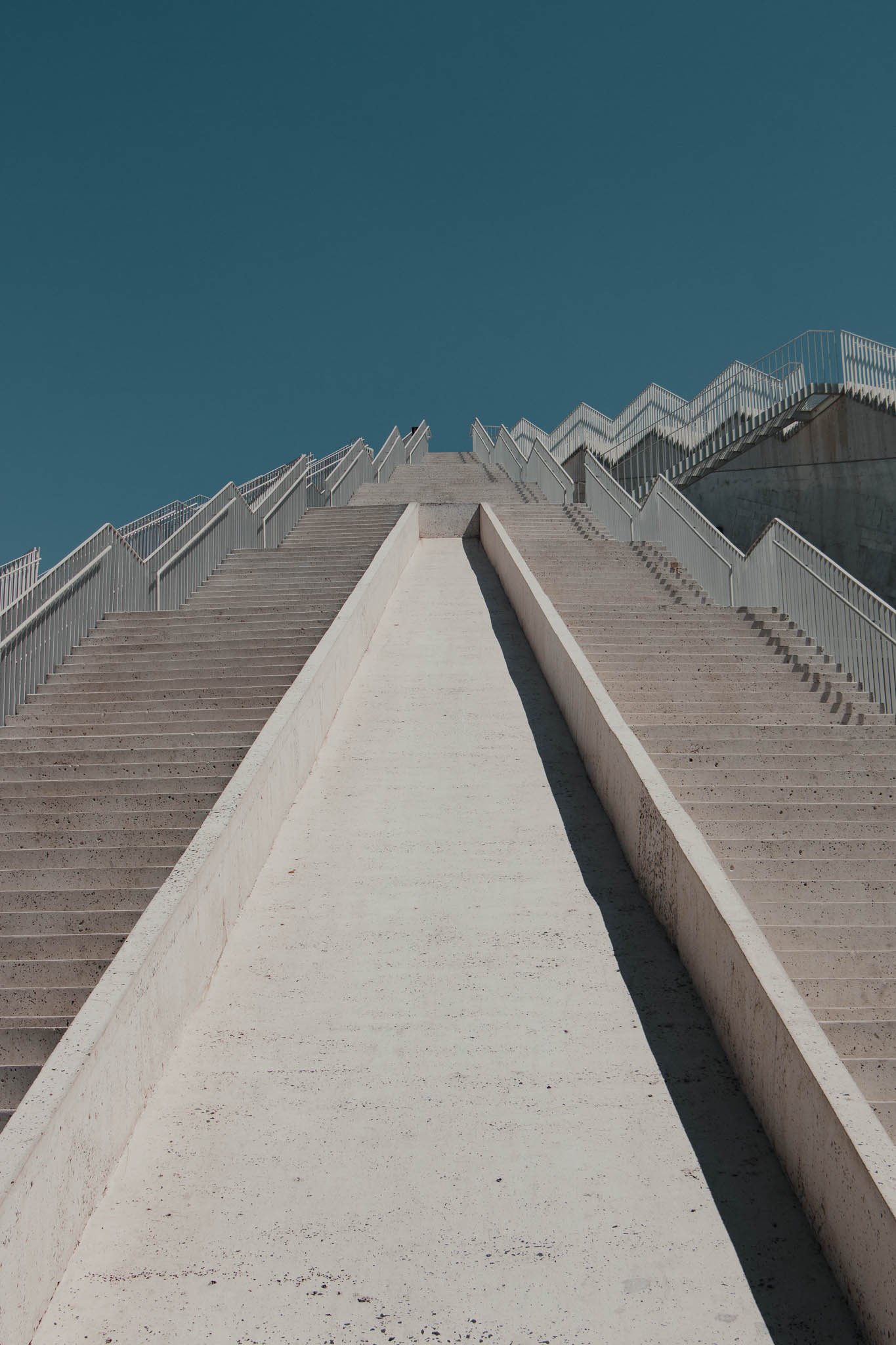
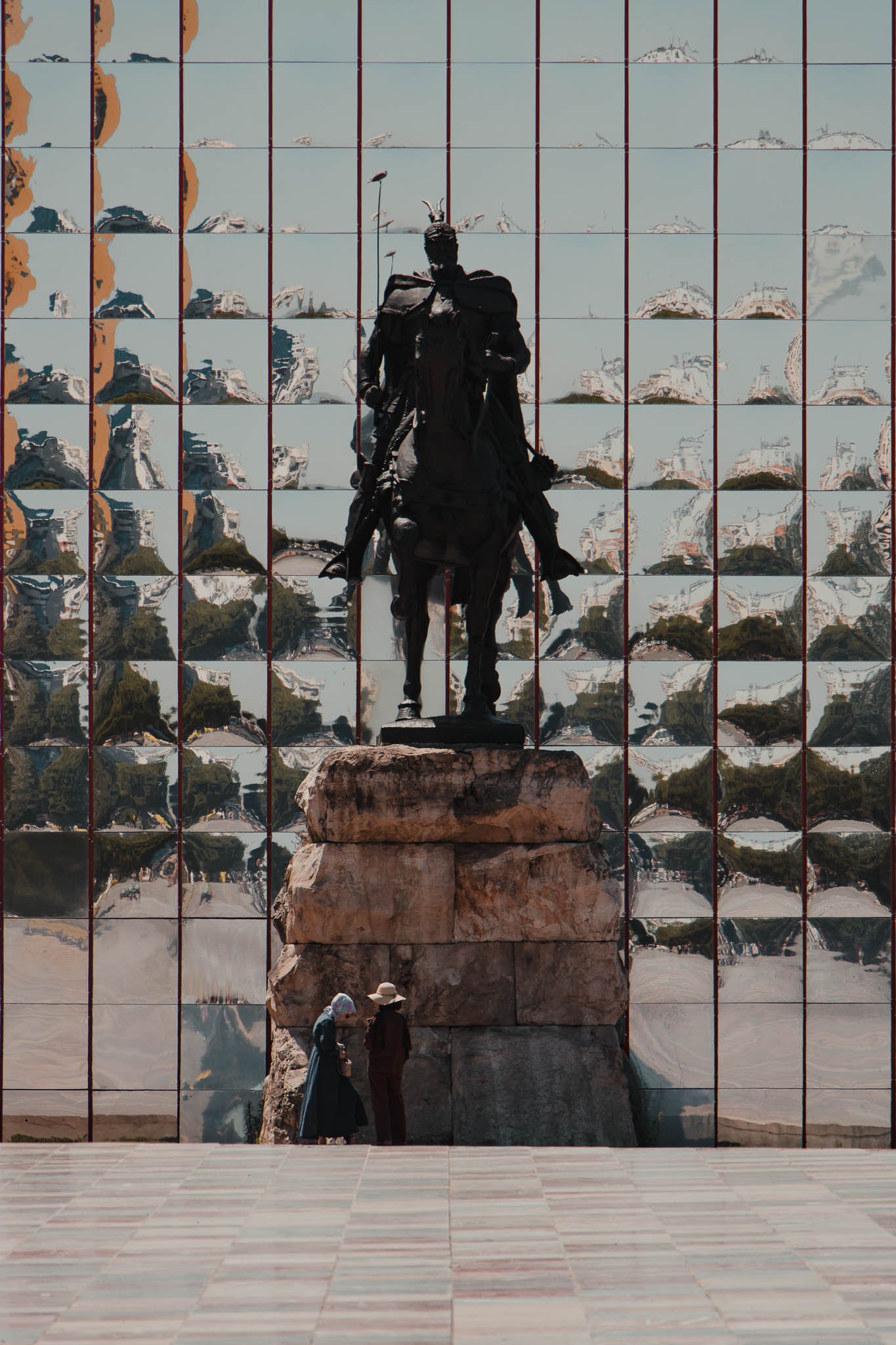
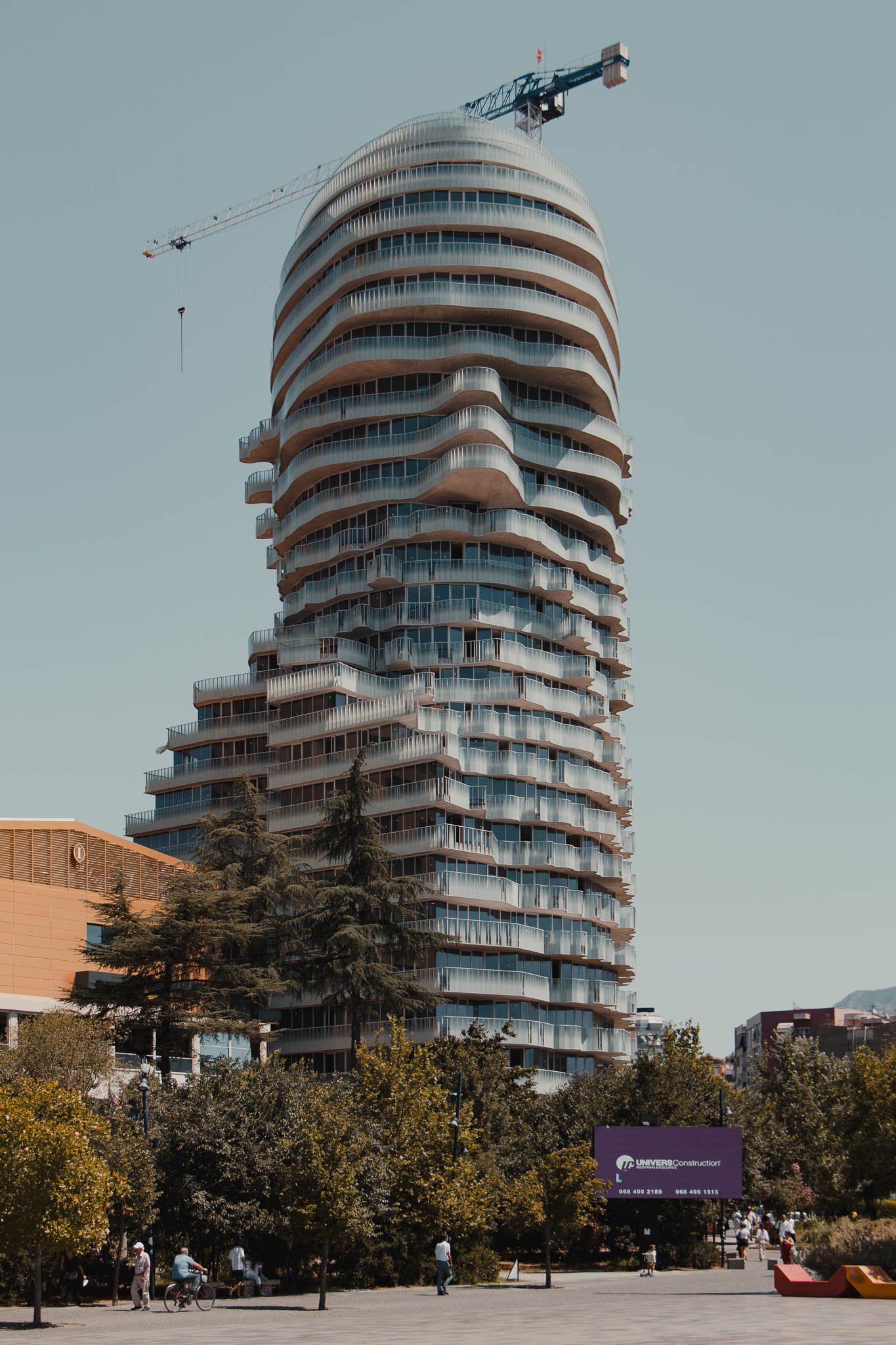
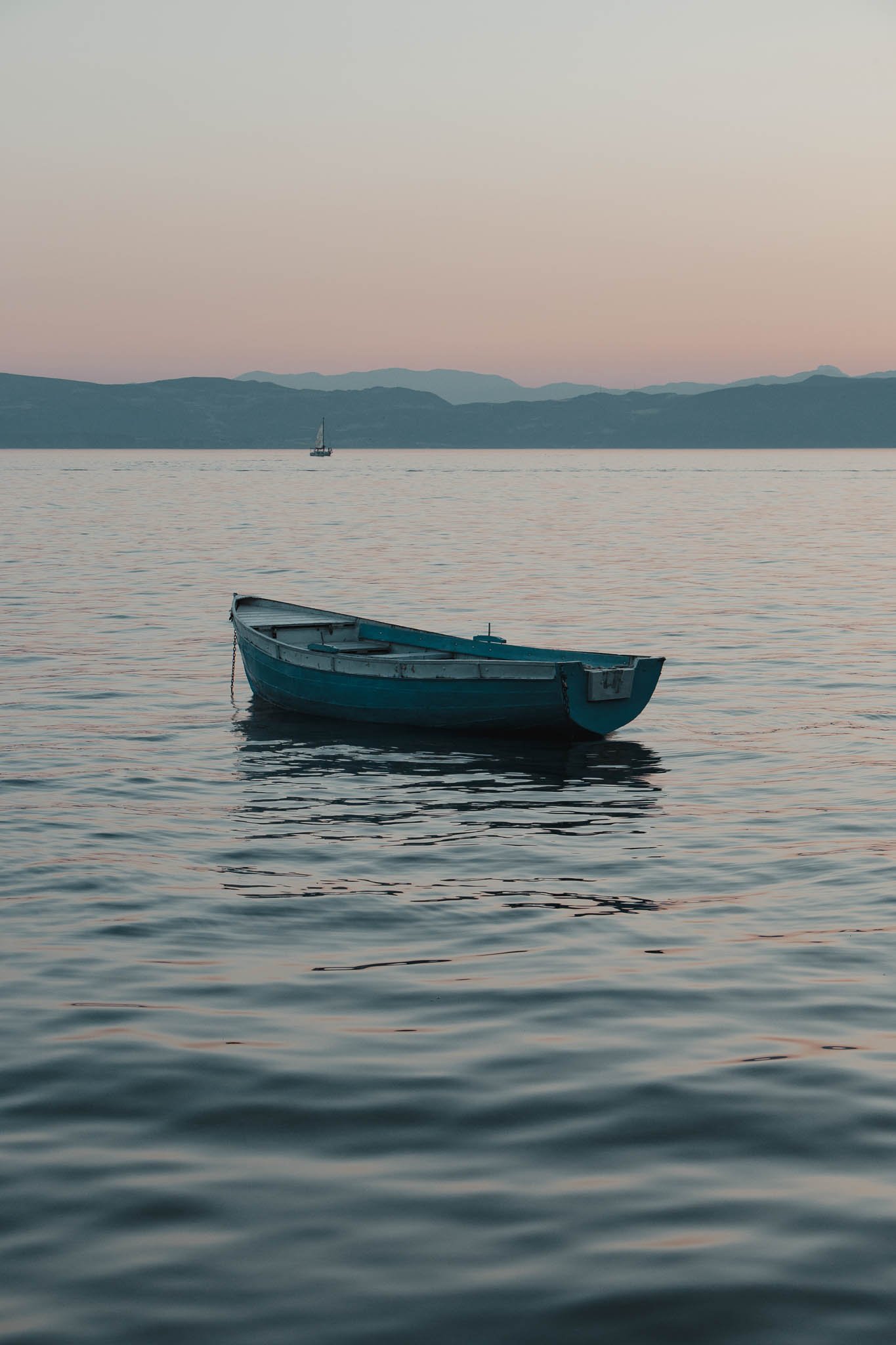
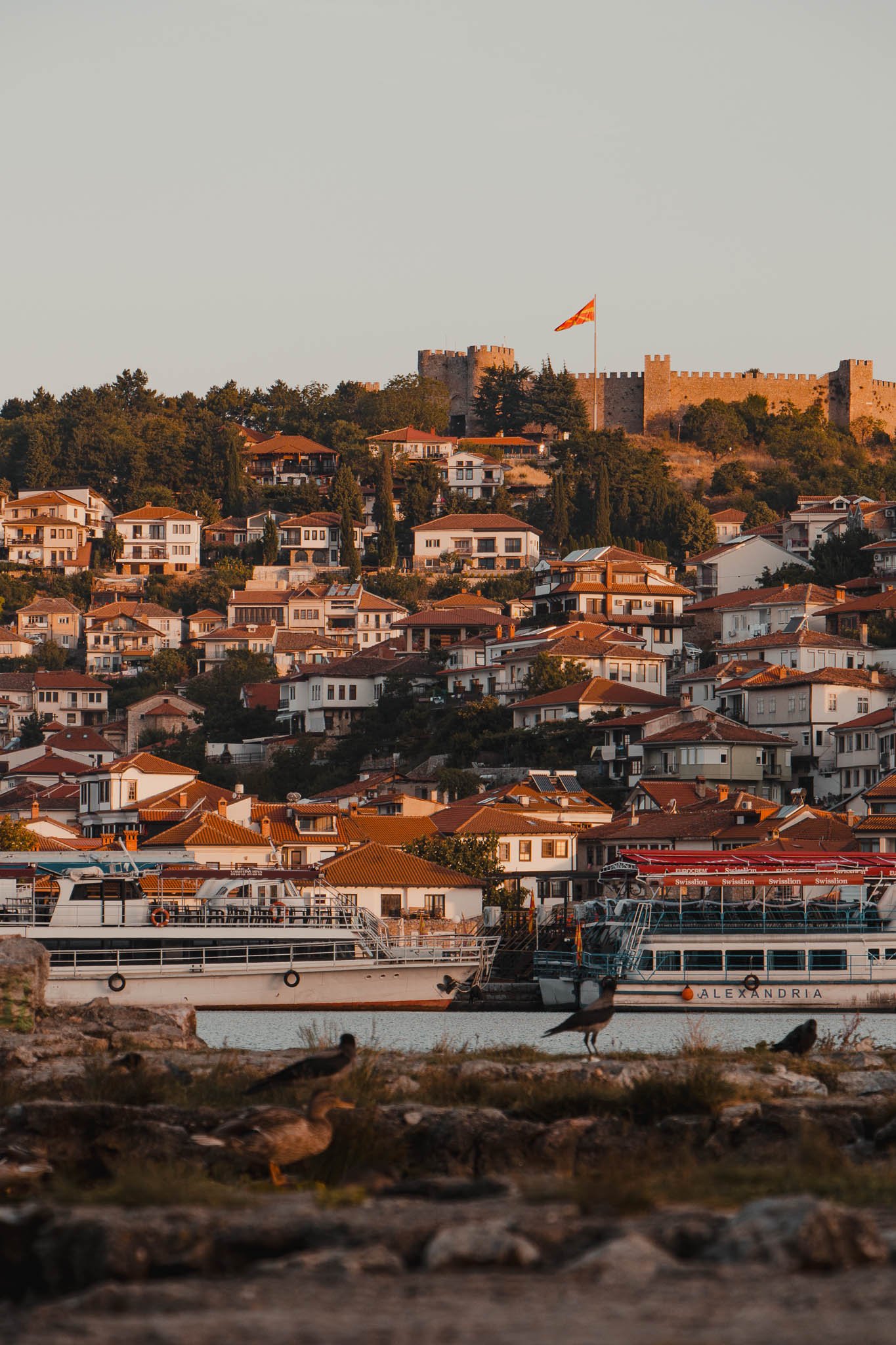
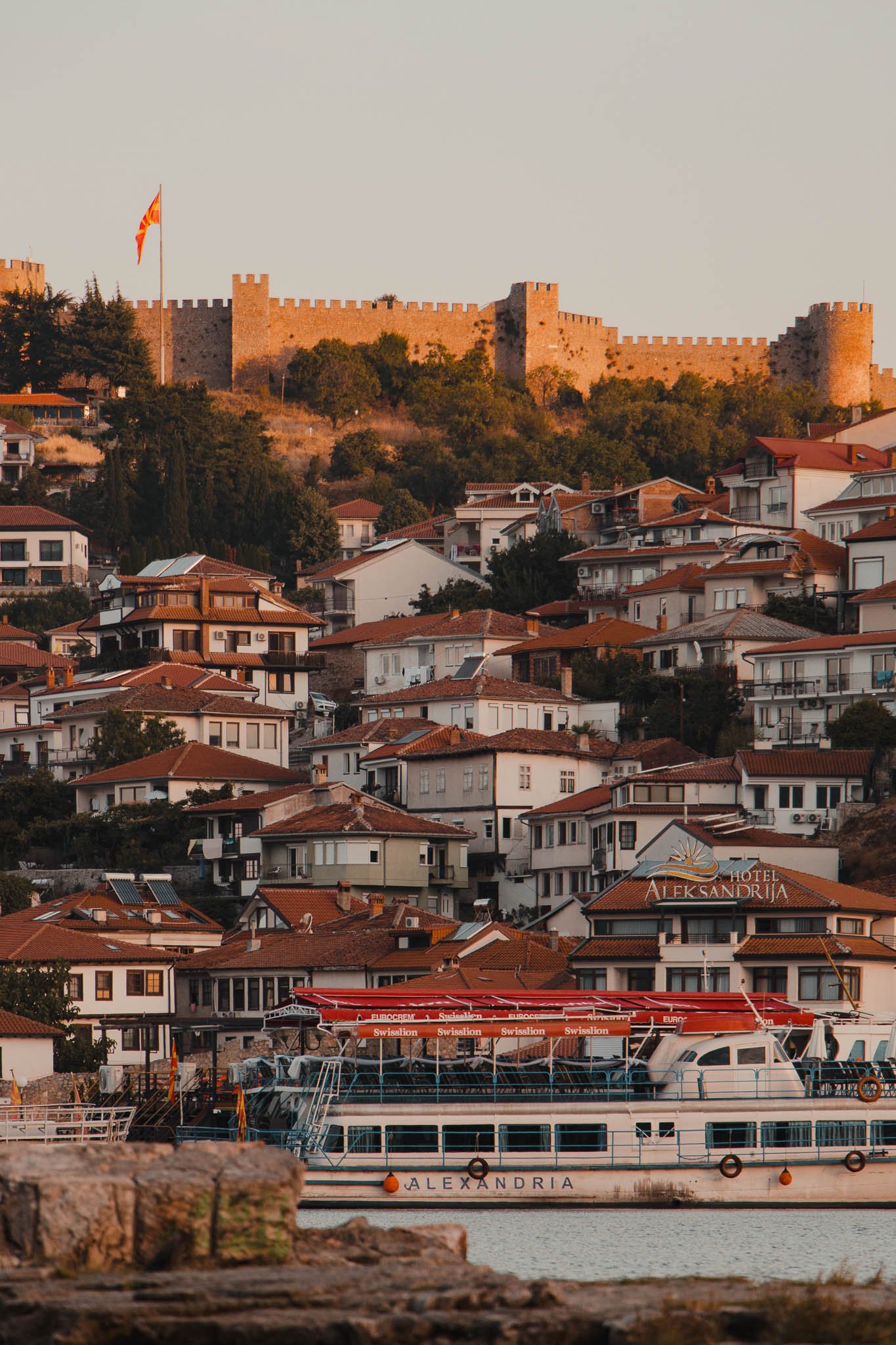
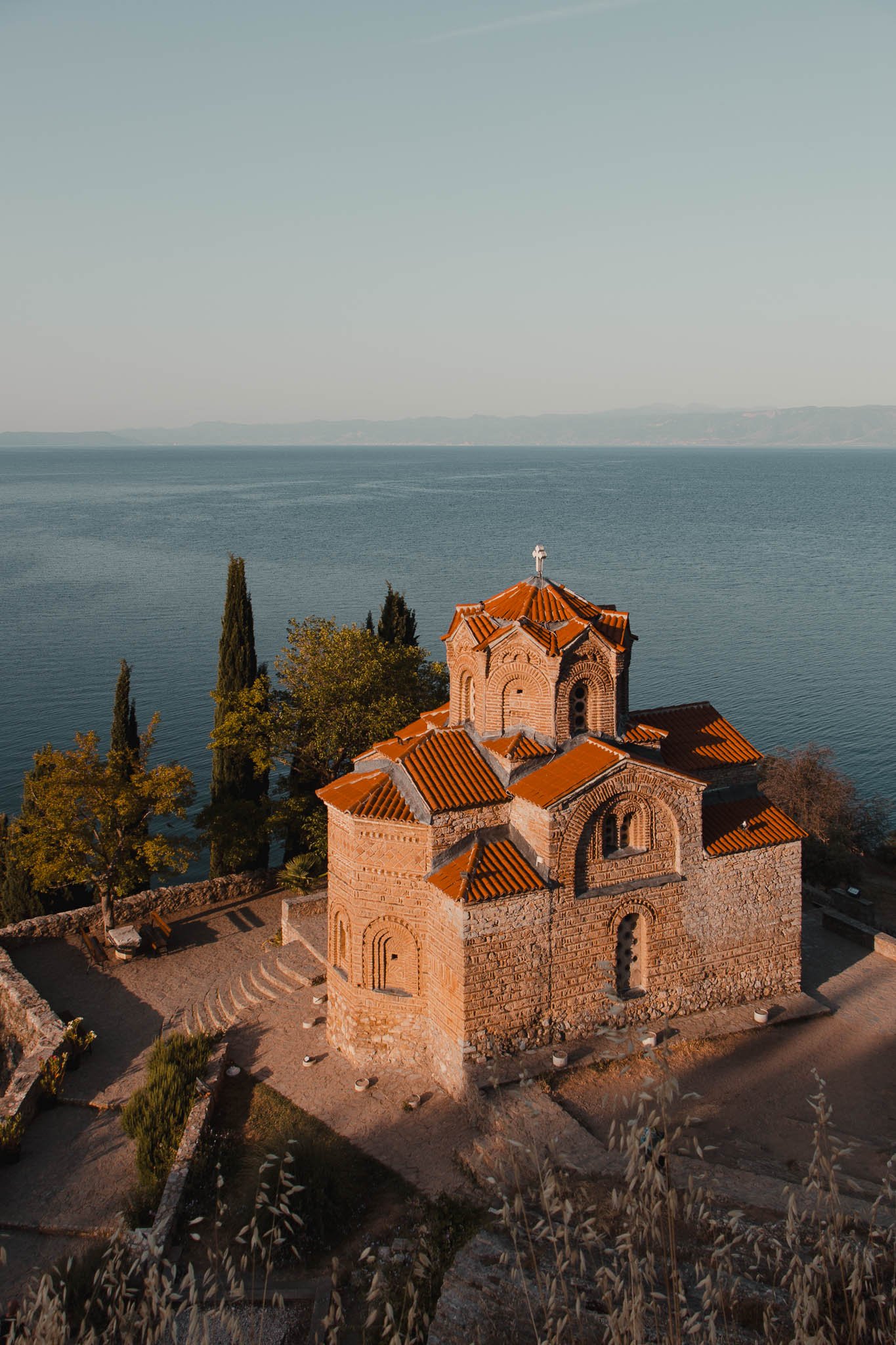
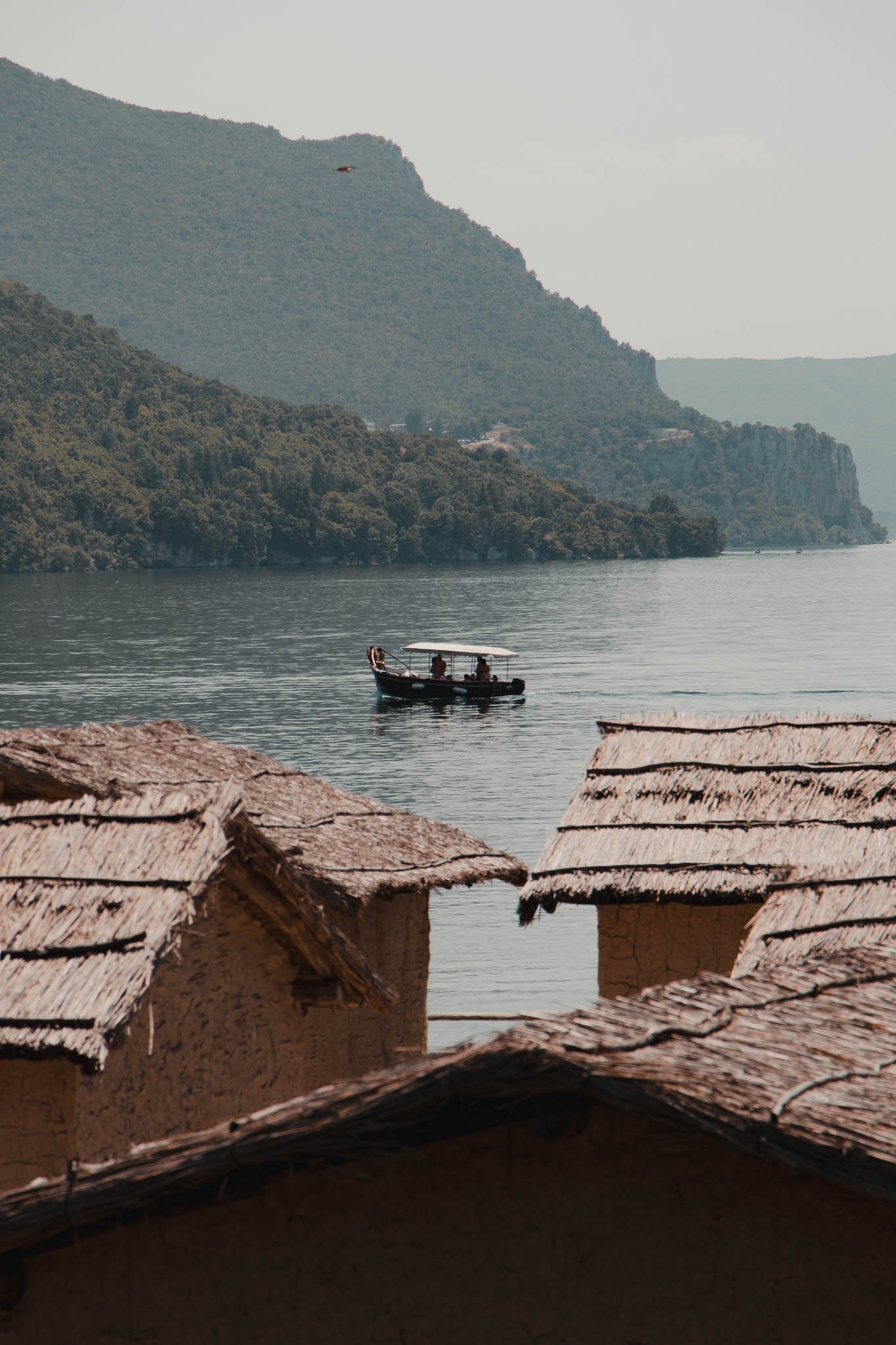
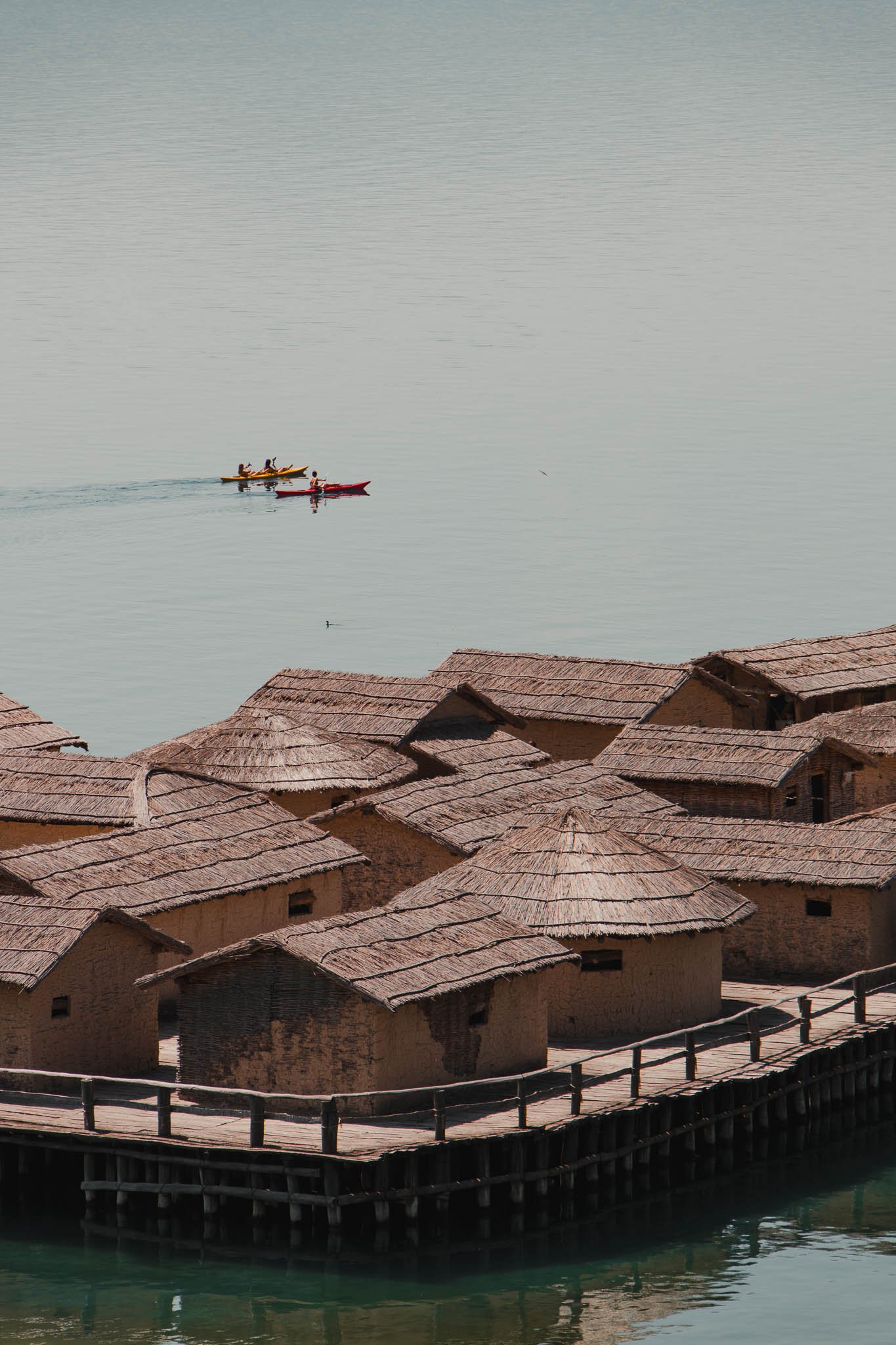
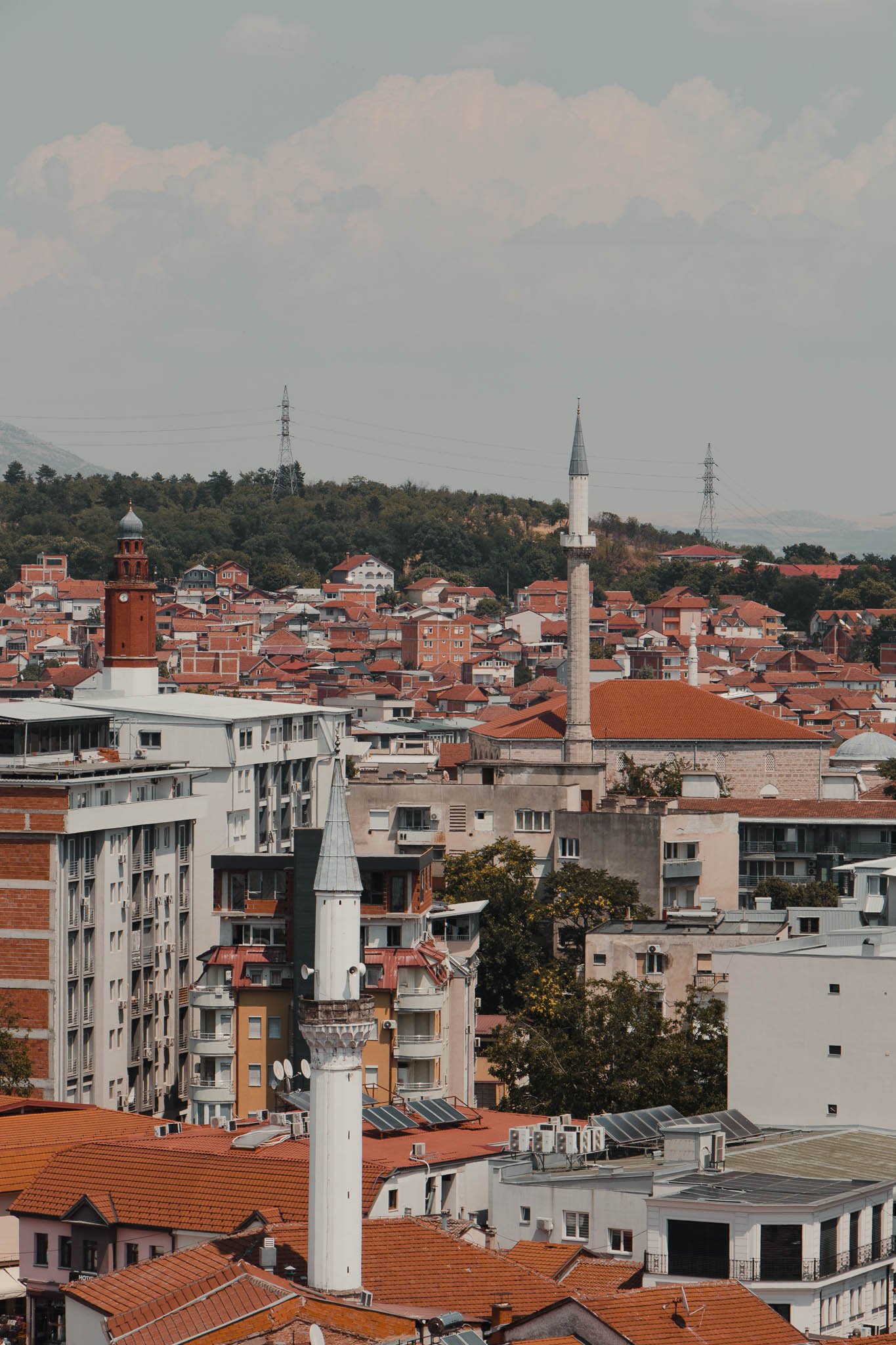
The Balkans takes its name from the Balkan Mountains, a natural barrier that stretches across Bulgaria before reaching the Black Sea. But our journey through this region in southeastern Europe unfolded elsewhere, along the Adriatic Sea. We began our trip in Montenegro, walking through historic towns like Kotor and Perast, surrounded by medieval fortifications, waterfront palaces and Baroque architecture, reminiscent of the golden age of Venice, when the Republic was a wealthy maritime empire. From there, we made our way south to Albania. Our first stop was Shkodra, one of Europe’s oldest continuously inhabited places. Here, we discovered that the city is also home to the craftsmanship of traditional Venetian masks—a small but fascinating connection between the region’s modern identity and its glorious heritage. Art, culture, and food bring us closer to the people and their traditions; nature, on the other hand, allows us to reconnect with something more elemental, both within ourselves and with all living things. This acknowledgement led us to take a detour deep into the Albanian Alps, to take in the beauty of the Shala River, the Valley of Valbona, and the village of Theth, a dramatic change of scenery worth experiencing. Before heading to North Macedonia, we briefly visited Kruja and Tirana, Albania's former and current capitals. Kruja’s atmosphere is profoundly shaped by Ottoman history and Bektashism, a distinctive Islamic order. Walking through the Old Bazaar, along its pedestrian cobblestone streets, felt like stepping back into the height of the Ottoman Empire. Tirana offers you a contrasting experience. Its urban landscape reflects the imprint of more recent political movements—Fascism and Communism—and reminds us how these ideologies shaped the architecture of the city. Ohrid and Skopje were our last stops in the Balkans. Ohrid holds a dual UNESCO World Heritage status for both its natural and cultural significance. Nearby, the Bay of the Bones—an open-air archaeological museum—offers a glimpse into prehistoric life, revealing how people lived thousands of years ago. Built along a lakeshore, Ohrid brought together many of the themes we had encountered throughout the journey: history, culture, and nature. Skopje, our final destination, left us with mixed feelings. Its cityscape blends Ottoman-era history with a government-funded neoclassical makeover, creating an urban environment that feels almost out of place. The scale and style of these recent architectural interventions were shocking to my eyes—an architectural vision that felt imposed rather than shaped by centuries of cultural heritage. And yet, beyond the buildings and monumental sculptures, Skopje revealed a much warmer side. The people and their hospitality reminded us that a place cannot be understood through its architecture alone. Skopje, therefore, became a fitting conclusion to our journey through the Balkans: a place of contrasts, where the past and present, the familiar and the unexpected, came together in ways we had not anticipated.